The problem with calling it off-grid 🏠️
Off-grid is one of those loaded words that often comes with a lot of baggage. It is often associated with very remote country, wilderness a long ways from civilization and it’s power lines. People think Alaska or Montana, not up a driveway, off a country road in Upstate NY. People think everything must be do-it-yourself, that there is a willful ignorance and avoidance of permits and following the state building code — which exists primarily to protect the owners and occupants in the structure they live in and the environment it resides within.
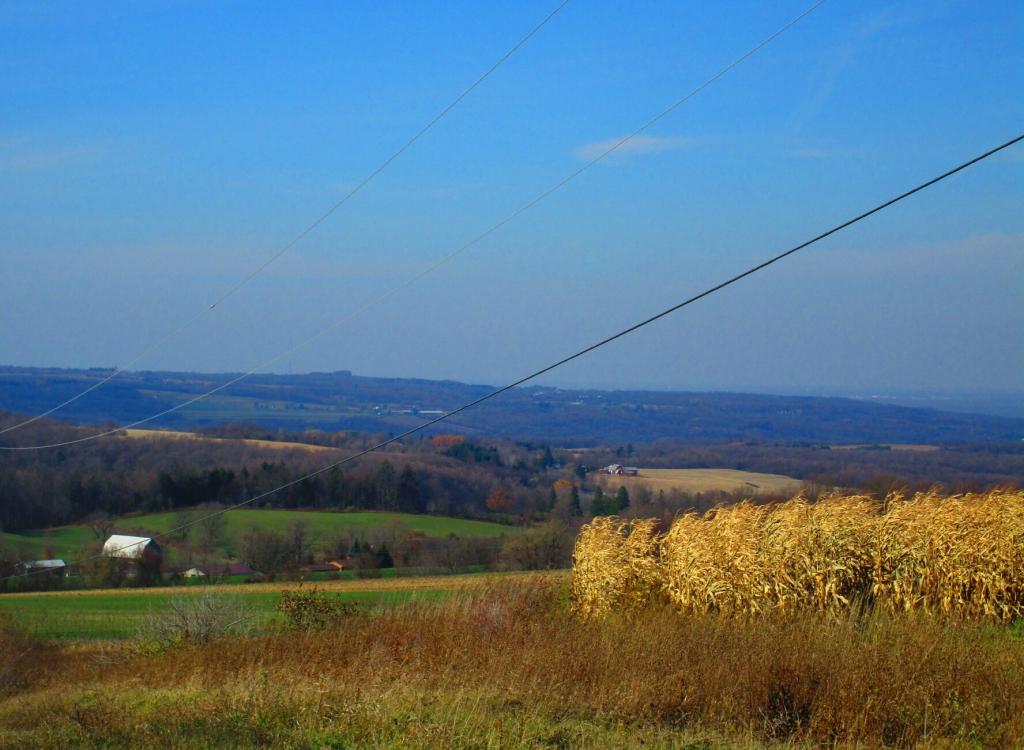
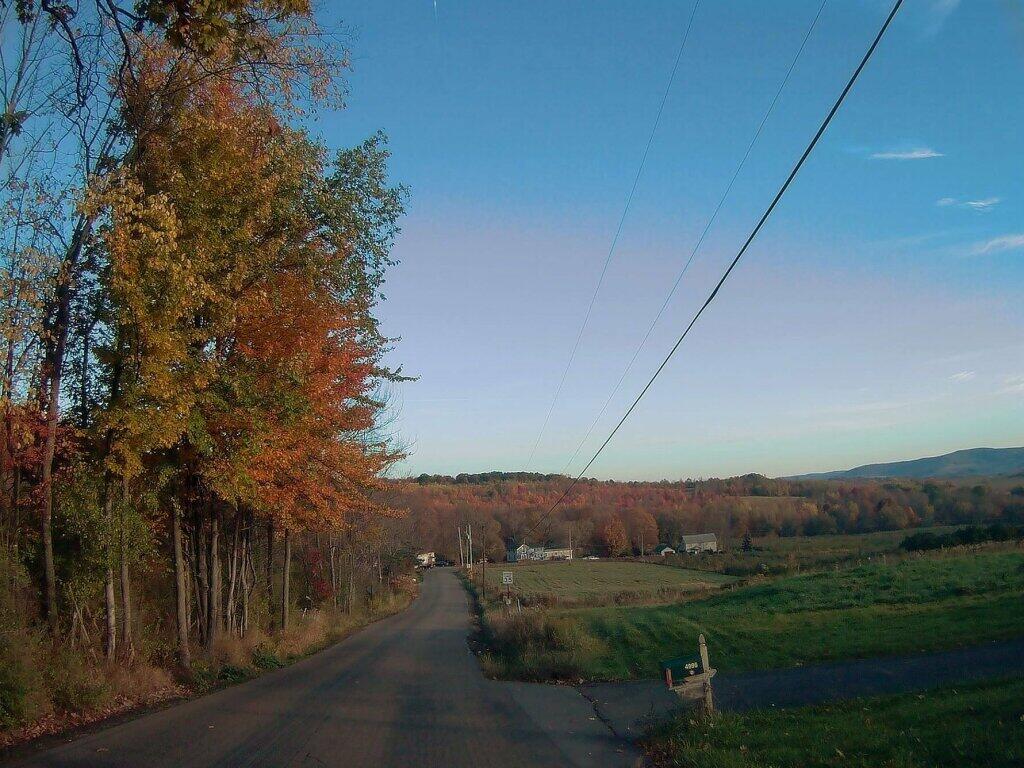
The thing is it doesn’t have to be that way. There is a fair amount of affordable rural property on the border of deep rural in Upstate NY without going deep rural. Deep rural, a concept a dairyman once told me about, is the land beyond ordinary commuting distance to a large metropolitan area. There is rural property, some fairly remote and some just offset from other residences by terrain and farmland that doesn’t have neighbors right up to you. Maybe not wilderness, but also not suburban. Having a house offset from the road and not hooked to power poles doesn’t requires wilderness, it just requires determination and some thought by prospective home builders and their future owners.
Maybe its better to call it a solar house or green living. Even a cabin suggests something that isn’t primarily residential, and is excessively primitive like you might live in the bush of Alaska or during hunting season. Of course, green living is a misnomer, because if anything the long commute is likely to bolster your carbon footprint, to say nothing of waste production in form of quickly junked automobiles. But certainly using solar and wood as your primary household energy sources, has some green virtues. But I’m not considering anything too far out there or unconventional — still want running water, hot showers, and flush toilets, if only to appease town officials to expedite permitting. Plus I’m a professional who needs to be able to be clean before work, and I don’t want to get sick from contaminated water, like I did as a child from my parent’s shallow well, which was unfortunately down-gradient from septic leach field. I’m glad such a set up would not be permitted these days, as a little child I could have died from drinking bacteria-contaminated water — in rural Upstate New York in the 1980s.
Do American building and health codes encourage wastefulness and consumerism? To a certain extent yes, though by far they are about protecting your own well-being. You can and should build greener, but also respect what professionals have determined, and what the codes require to ensure your own health and well being, while minimizing pollution and safety risks from the place you seek to call home.