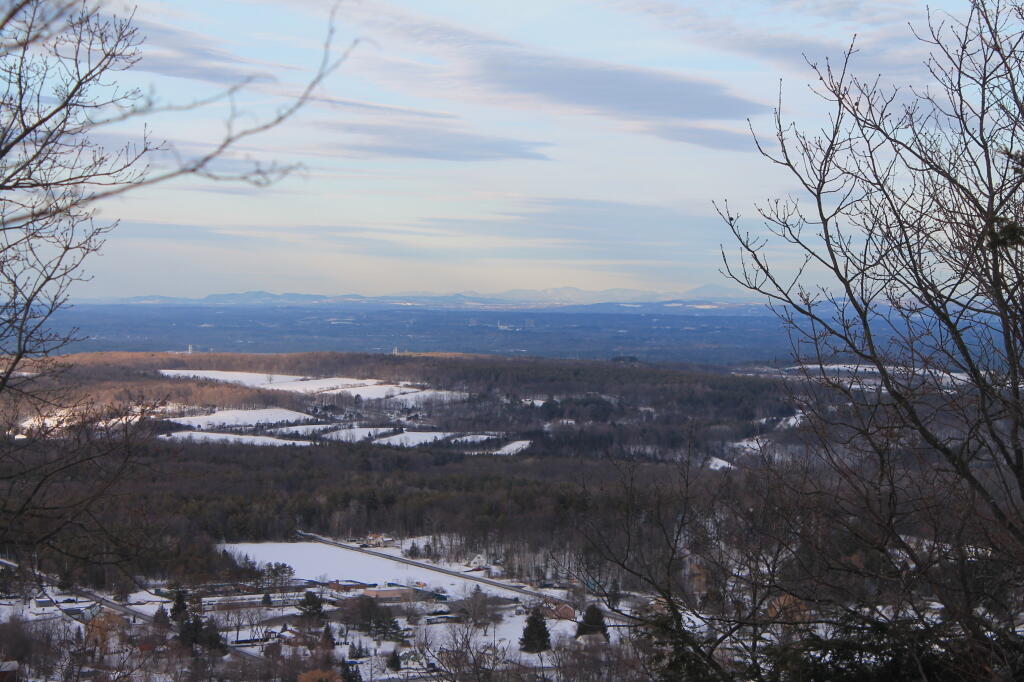
I decided to do my evening walk 🚶🏻 right after work tonight to avoid icy sidewalks. I am glad I did, things are icing up good now that it’s below freezing although the strong winds 🍃 with the coming front have died down. But first more reading about that book about Erastus Corning then an early bed 🛏 I think.
The Indicator from Planet Money : NPR
The late economist Arthur Lewis had a reputation as a very kind, principled, quiet and contemplative thinker. And in August of 1952, he was strolling down a road in Bangkok, Thailand — when suddenly he had a flash of insight about a problem that had been baffling him.
Lewis observed that when the economy of a poor country starts growing faster, the new businesses in that country make a lot of money, and they do hire a lot of workers, but it takes a long time before the wages that those businesses pay to workers also start going up. That was the puzzle that Arthur Lewis solved
More showed snow for the evening
I am glad I went for my evening walk early.
Inside The Cyber Weapons Arms Race
Inside The Cyber Weapons Arms Race
2/10/21 by NPR
Web player: https://podcastaddict.com/episode/118980596
Episode: https://play.podtrac.com/npr-381444908/edge1.pod.npr.org/anon.npr-mp3/npr/fa/2021/02/20210210_fa_fapodweds.mp3?awCollectionId=381444908&awEpisodeId=966360714&orgId=1&d=2922&p=381444908&story=966360714&t=podcast&e=966360714&size=46656462&ft=pod&f=381444908
The world is on the precipice of cyber catastrophe, and everything is vulnerable, including our government, nuclear weapons, elections, power grid, hospitals, and cell phones. ‘New York Times’ cybersecurity reporter Nicole Perlroth explains how the U.S. went from having the world’s strongest cyber arsenal to becoming so vulnerable to cyber attack. “We have to stop leaving gaping holes in software that could be used by adversaries to pull off some of these attacks,” she says. Perlroth’s new book is “This Is How They Tell Me The World Ends.”
Greens in the Distance