Country Life ๐Ÿ“

๐Ÿ–ผ๏ธ Photos ๐Ÿ“ฝ๏ธ Videos

A rural Pleasant Valley Sunday ๐Ÿก ๐Ÿ

‘Rows of house that all the same, and no one seems to care.” – The Monkies, A Pleasant Valley Sunday.

I want to believe at one level that most rural people live in cabins and homesteads where they are for a large part self sufficient. But I’ve come to realize the more a study the countryside, look at what houses are out there on the market and how people actually live – that’s more of an exception then reality.

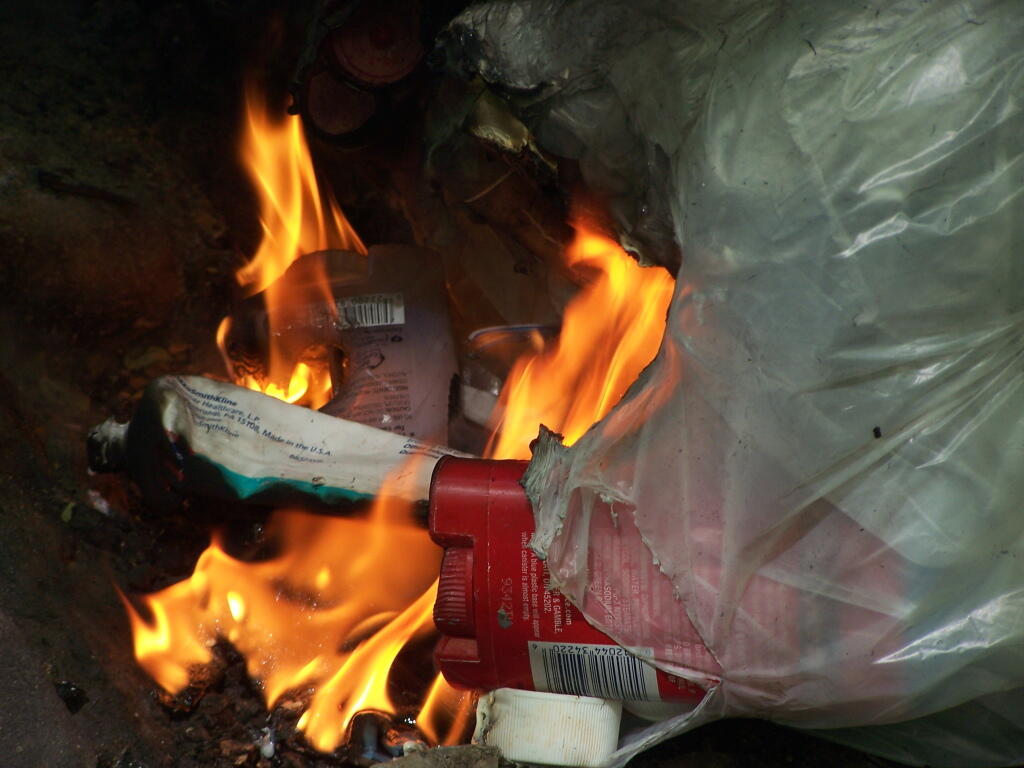
Most rural people are essentially just suburbanites with long commutes. Indeed, much of rural population lives in hamlets and villages, not remote farmsteads with goats, hogs and cattle – and gardens that feed themselves most of the year. Most rural people who have burn barrels where legal essentially produce and use them for trash like weekly suburban garbage hauling. Most have high speed internet and big televisions. Most rural houses are heated with oil or propane, with perfect climate control year round. Most rural houses are grid-tied with the only practical limitation on energy consumed being how much the rural homeowner wants to pay.

It’s not to say there ain’t homesteaders or off-gridders out there, especially on the back roads. There are places in the hills and hollows were people are a lot more self-sufficient. But my idea that rural living is profoundly different then the typical suburban life is as much a fantasy as a reality. I equate the odd ball, with how things are in my imagination. There are some real backwoods dairymen and DIYs but most have Apple iPhone and modern technology. It’s only the exceptional that do it differently.
Cows and carbon footprints ๐Ÿฎ ๐Ÿ‘ฃ

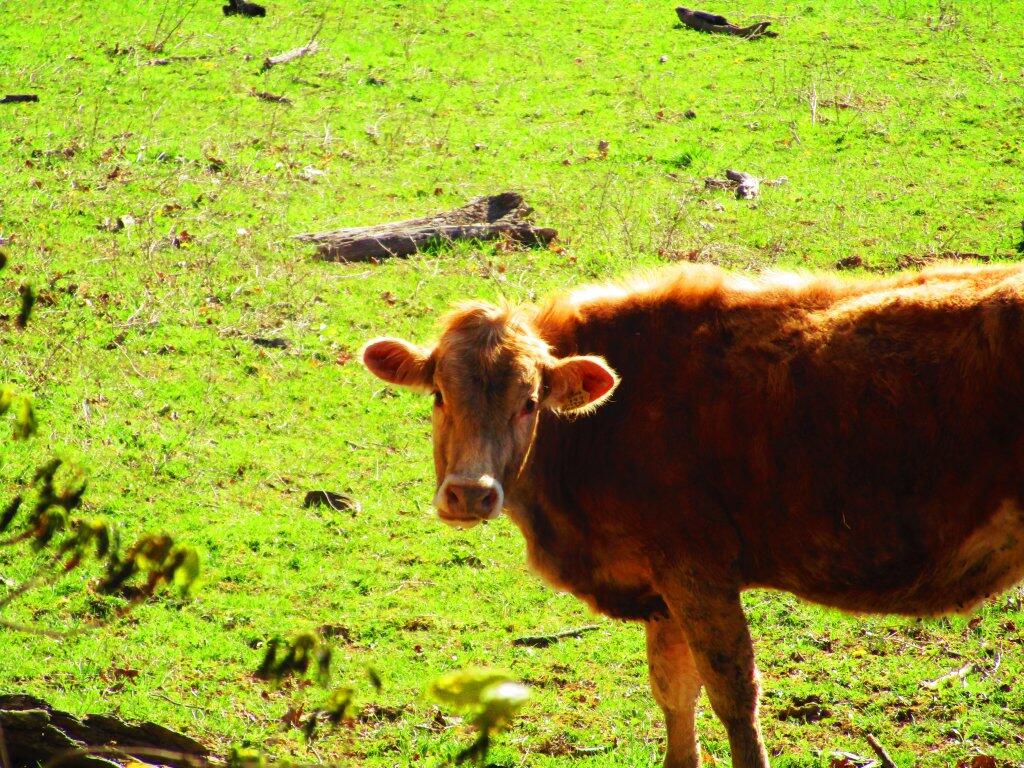
๐Ÿฎ ๐Ÿ‘ฃThe other night I heard the tired old claim that beef is really bad for the environment as it has a high carbon footprint. How can that be? Cows don’t consume oil to stay alive although diesel is used in cattle trailers, tractors hauling feed, bailing hay and spreading manure.

But what the activist types are really saying is cows digest grass and dried grass in the form of hay and as part of the conversion of grass to energy they chew their cud and in part loose some of the material that escapes their mouths as methane. Some manure also breaks down as methane when in an oxygen deprived environment like a slurry tank.

Methane is a moderately powerful green house gas. It’s 28 times more potent than carbon dioxide although it lasts only about a decade in the atmosphere before hydroxyl radicals break it down into carbon dioxide. Far lower of an impact then much more powerful warming gases like common refrigerants such as the CFCs and their HFC replacements. At the same time new grass is being grown to feed cows, so they are absorbing the carbon dioxide at the same rate it’s being broke down by the methane. Ultimately, farming is a carbon neutral activity, bar fuel used in tractors or trucks.

The carbon footprint of beef and cattle more generally is grossly over estimated, because while methane is a much more powerful greenhouse gas then carbon dioxide, ultimately most farming activity is carbon neutral, as crops absorb in the carbon that livestock exhale and methane they burp up. Moreover, many cattle get a significant portion of their feed from grazing pastures that requires minimal diesel-fired equipment work to maintain.  Grazing might have an initially higher greenhouse output, as grass produces more methane when burped up compared to other feeds, but because grass is absorbing carbon constantly, it’s ultimately carbon neutral.

Beef and dairy might be more of a climate concern where new land is being developed, forests converted into crop land. But with the increasing efficiency of crop and livestock production, it’s rare that forests are being converted to farm or grazing land at least in the first world. But in contrast, farms are being replaced with housing and commercial use, that bring in more vehicles, more buildings to heat, and more wildlife habitat forever displaced. Burped methane from grass isn’t warming the planet, burning fossil fuels like oil, natural gas and coal is.

How I Feel Lately

What is happiness?

You know that’s a really profound question that I really yet to find the answer to. While I didn’t viewย my dream of what is a good life – the off-grid homestead – as materialistic now I’m coming to the sad realization that it mostly is. Happiness is ultimately not what you buy – be it a big screen TV, pigs and cattle or a tractor with a manure spreader – but your ability to find Zen and meaning in the now.

For too often I’ve been consumed with the thoughts of tomorrow, planning for that house on the hill with that burn barrel out back and cows mooing in the field with the big jacked up truck and four wheelers in the front yard. Maybe not the glamorous homesteads you see in the magazine but some working land. All the thinking of the accrued benefits of hardwork and saving. I was concerned about the memories of the past. But maybe those things don’t matter as much as I used to think they once did.

There is no time but the present. It’s not to say that the past has no impact on the present or that today’s actions won’t impact tomorrow. But in many ways those things are meaningless as the only thing that exists is the present. That said, I still continue to work for the future even while I try to find more of now.

Shunning toilets ๐Ÿšฝ

Since the pandemic and even more so in recent years when I’ve learned more about septic systems and sewage treatment plants, I’ve had more and more of a desire to piss on trees and bushes, to crap in buckets and bury the poop in the woods.

I’m not saying there okay systems in urban areas that help protect the public health from dangerous diseases like Cholera and E Coli and protect water quality from excess nitrogen and phosphorus. But the solution seems to often to landfill such substances rather than recover the nutrients.

Maybe it’s just the freedom to pee wherever you want up at camp, up at the wilderness. Flip down the tailgate and pee. Spray urine wherever. Unconcentrated it’s pretty harmless though as noted on the Blue Ridge Parkway, too many people peeing on a tree can burn it.

Outhouses and composting poop outside of the cities makes a lot of sense. While both septic tanks and sewage treatment works biodegrade some of the sludge, a lot of it is lost unless it is collected and spread, a particular concern in sewage treatment plants is pharmaceuticals and long lasting chemicals like PFAS and microplastics.

I get people’s ick factor and concerns on public health but it just seems like such a waste to send it all to the local dumping grounds.

Map: Grass River - Tooley Pond Area