You’ll never guess the culprit in a global lead poisoning mystery : Goats and Soda : NPR
Country Life 📍
📽️ Videos
I was walking down the road the other day, and a truck passed by with one of those pickup bed campers
They are so big and bulky even on a 3/4 or maybe 1 ton pickup truck. Really not my thing — who wants that big-ass camper swinging back and forth on your truck bed as you go down the road? Then again, I’m really not into all that comfortable padding stuff and the comforts of home — while I like my camper shell, I’m quite fine with cooking outdoors and doing my business outdoors in the woods with a bucket. Rather keep the smells and moisture outside, and it’s bulky enough getting my big jacked up truck back in the woods to some of those remote campsites.
Ep 22:Homestead Startup – How you can get more land for less money
In this episode, we talk about how we were able to get a great price on land that wasn't even on the market at the time. We explain in three steps how we looked for land, found land that met our criteria, and negotiated pricing while considering start up cost and natural resource revenue opportunities.

Farming and the Natural Landscape.
Farmers they say live off the fat of the earth.
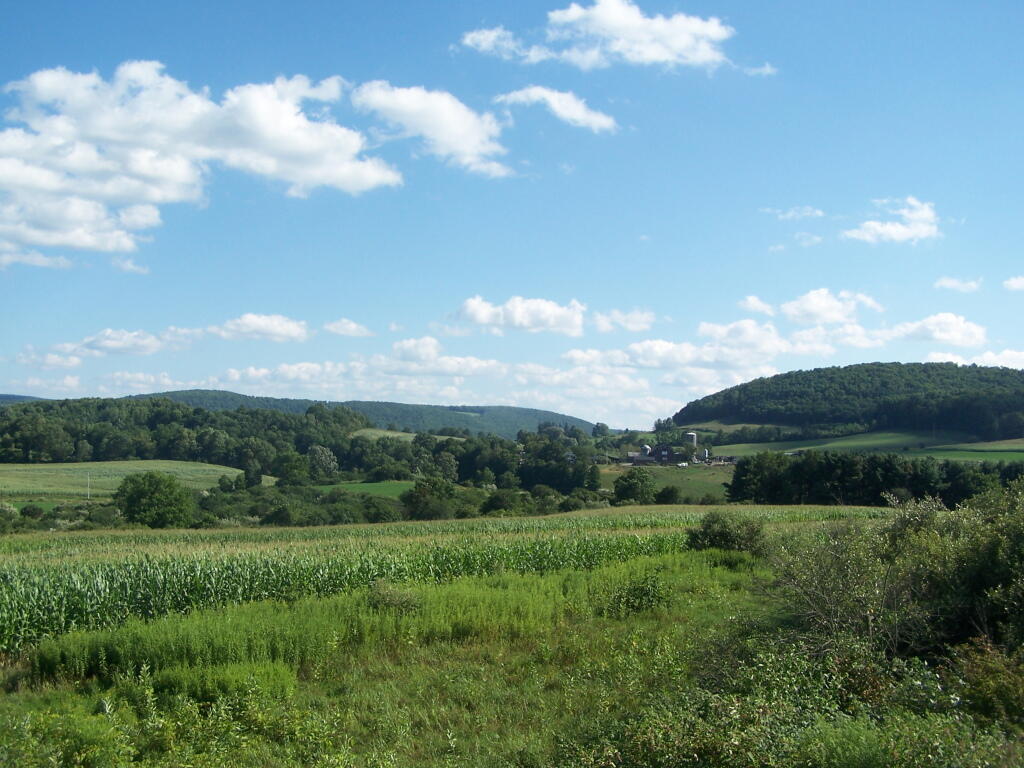
In other words, they plant, they raise, the grow food and fiber in the dirt which they either sell or feed to livestock. The same could be said of ranchers, or for that matter loggers — both who generally use and manage natural resources both for today and tomorrow. They work the land in ways that tries to tie down and maximize nuetriant uptake in plants, use science to produce more product with less impact and fewer inputs.
Farms by their very nature are quite adaptable land-use pattern. A farm can become a housing development, a forest or wilderness area, a commerical plaza, an industrial area or a highway. Or it can continue to be agriculture. For one, farms are generally large properties, with one owner. Many farms are hundreds of acres, in some parts of country that are flatter and less agriculturally productive, farms can be thousands of acres managed by a single family. That makes land transfers and wide-spread development or conservation much easier.
Farm land is generally lightly developed, as most fields are dirt that could quickly grow back up to forest if abandoned. Or paved or built over. Farming in many ways is a temporary land use, much more so then when a farm land is paved-over, subdivided, or used for other non-natural purposes. Developed land is often in many hands, and contains buildings, infrastructure, and other things that can be costly to remove. Farm land also is more productive to wildlife, often the home of many species of birds, deer, coyotes and other wildlife. It absorbs carbon dioxide, and is part of a healthy landscape.