Country Life πŸ“

πŸ“½οΈ Videos

Most books about the working class are written by elites πŸ‘¨β€πŸŒΎπŸ‘¨β€πŸ­πŸ‘·β€β™€οΈ

Most books about the working class are written by elites πŸ‘¨‍πŸŒΎπŸ‘¨‍πŸ­πŸ‘·‍♀️

I just got done reading JD Vance’s much proclaimed Hillbilly Elegy about the rough and tumble life of growing up poor in Appalachia – the drugs, the poverty, the unstable home life. The hillbilly code of honor. Seemed like a decently accurate story having grown up around many hillbillies myself grown up in the mountains in farm country. But it’s written by somebody who resembled less and less a hillbilly after being a graduate of Yale Law School. His childhood memories may be valid but they come from a now elite perspective.

I recently read Kristin Kimball’s The Dirty Life, a book about a NYC journalist who fell in love with a back to earther and they moved to the Eastern Adirondacks to homestead and farm using horses and the tools of the trade. They might live a life close to the land today, but they come from an elite perspective.

A few years back I read this book, the The Land Was Everything by Victor Davis Hanson about an English professor who came back home to run his family vineyard in California. Again, maybe he has dirt under his fingers now and as a child, his professorship distanced himself from the working class. He might have gone back to the land but he still has those college educated roots.

Then there is the Firefox Books which try to document a dying breed of Appalachian living in the late 1960s by  students at Rabun Gap-Nacoochee School, a private secondary education school located in the U.S. state of Georgia. It’s a good tail of Appalachia but again it’s a story told in the third person rather than the people who are actually living the life.

Or Noel Perin’s Best Person Rural and his other series of books about living close to the land in Vermont. His observations were astute but again kind of represented an elite view of living off the land, out in the country. He was another of a dying breed but probably atypical of a farmer in Vermont.

Now I get that cow shit and silage probably smell the same wherever you stand. That many of the same experiences working on the farm – the animals and the work are the same if you are college educated or not. Growing up in Appalachian culture is not easily forgotten and the experiences documented in the books to remind me of experiences I’ve had in years gone by.

I guess true hillbillies and working folks don’t really have the time to write a book or the connections needed to see their book through publication. So we have to settle for third party accounts, documented through America’s elites, colored by the perspectives and values acquired through advanced education.

Indeed, while I’m certainly not Yale educated, I do know my college degree and professional occupation colors my view of the world. And I’m sure that many who read these kind of books are one or two steps removed from the land and the working class. I do worry such books while documenting such life also color the views of the elite.
SVGZ Graphic: Distance to a Dollar Store
SVGZ Graphic: Dollar Store Bands

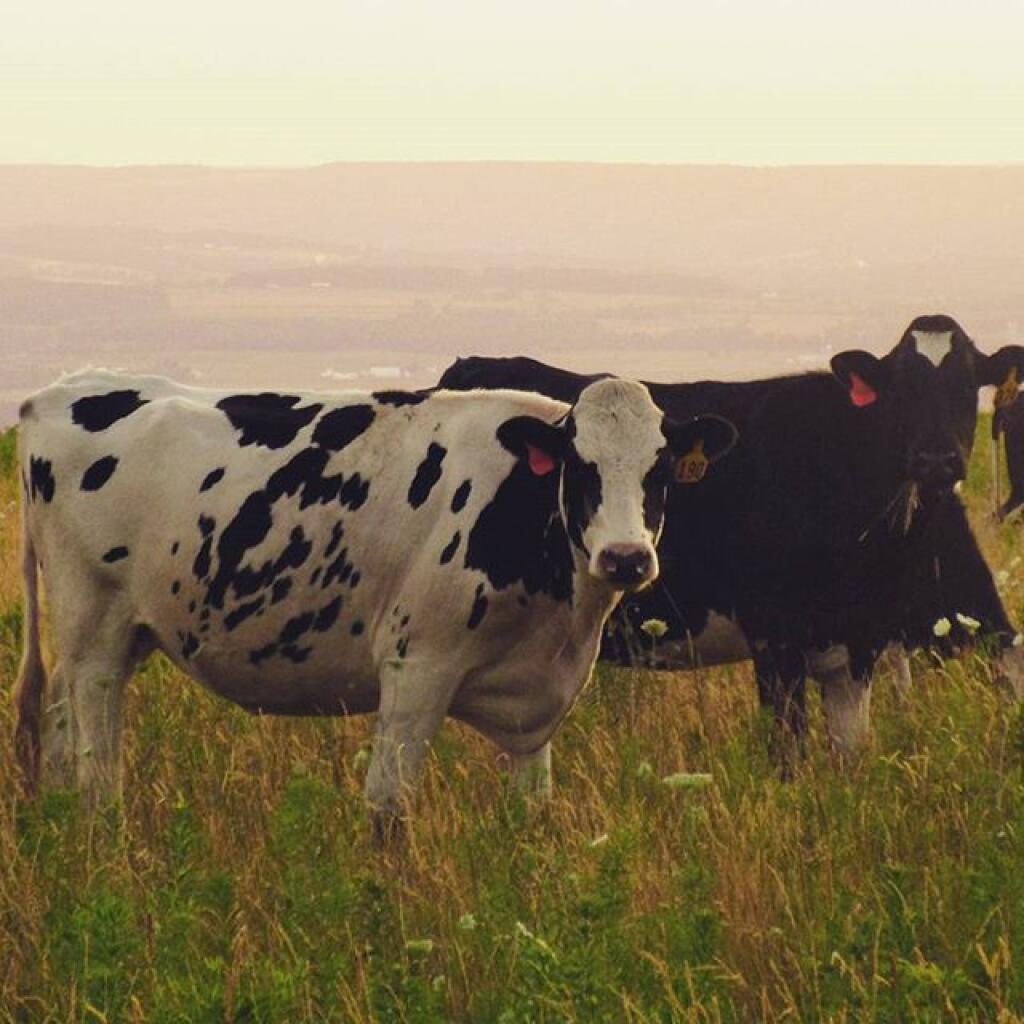
I have respect but lack compassion towards animals

I have respect but very little compassion towards animals.🐶 They are not humans, even if many are incentivized through food, shelter and other rewards to behave in ways that comfort us. 😍

Animals have an important part of the ecosystem that we all depend on 🌎, livestock produces food🐖 and fiber🐏 and pets give us companionship🐈 and provide other services like deterring mice🐀 or retrieving birds while bird hunting.🐦 Domesticated animals have special needsβ™Ώ that only humans can provide due to their breeding.🏠 It’s important to respect their natural needs to maximize profitablity and success with our relationship with animals but our relationship to animals shouldn’t be about caring or love.

Many today think that domesticated animals should be considered a special type of property, and people who fail to maintain them🔎 should be punished more severely than those who fail to maintain other equipment such as an automobile or their house. 🚗 But I think we should be more worried about the waste of finite resources not infinitely reproducible animals.

Domesticated and bred animals are simply organic matter that took energy and labor to construct 🐓 – yes people should maintain them under the right conditions like any other piece of machinery – but they are indefinitely reproducible 🔧 through animal husbandry. They are no more special than any other type of property and indeed I would argue that as organic matter that will rot away in the soil, they are less important than many other types of property.🍗

Being watched as the sun set

When I build my homestead trash incinerator! πŸ”₯

When I build my homestead trash incinerator! πŸ”₯

They estimate roughly 1 in 4 rural residents burn at least a portion of their household trash. With most things packaged in lightweight plastics and paperboard, a significant portion of waste can be burned. Rural households that burn can often only run to the transfer station or the landfill once or twice a year as most can go up in smoke.

Most of it is inevitably burned in smelly trash burning barrels which are typically 55 gallon drum with holes shot or poked in it. But it can be done better. Burn barrels are fine for disposing of trash in outlying areas but they have several shortfalls that very from a nuisance to a downright public safety threat.

  • They can smell bad when certain plastics and other trash is burned – as they tend to smolder due to the trash being wet and not enough oxygen
  • Some of the chemicals released can be toxic, especially when trash solders due to moisture and lack of air
  • They pose a fire risk – as many are used without screens and are placed near grass or trees

Hot fires eliminate the volatile organic compounds, along with many of the toxins like arsenic, dioxin and furans from incomplete combustion.

I think when I build my incinerator, I would include a fairly high stack maybe 5-6 feet high to create a good draft. A good draft would mean a hot fire, with less emission and odors. Forced air into the incinerator using a blower motor of some sort would increase the incineration process. While a fan would take energy which is always precious on an off grid cabin, the benefits of more complete combustion with less odor and ash might be worth it.

Adding scrap wood and cleaner burning plastics to the fire could further help increase combustion temperatures, reducing ash, unburnt waste, smoke, toxins and odors. Rip roaring fires can make ordinary kitchen and farm trash quickly disappear.

I would sort the waste that went into it. Food waste is good for composting or feeding to pigs and goats. A lot of and metal can be recycled – although maybe it would be better to burn the cans out then waste perfectly good water which may be precious on an off grid homestead. Plus who really wants to wash your trash?

I would also take steps to make sure that the incinerator is away from grass and trees, and that the smoke stack is covered so no paper or sparks could fly out. This would allow disposal of waste even during open burn bans and dry conditions outside. Trash accumulates regardless of the weather in our consumer society. Every time you go to the mail box there is more paper trash and kitchen waste baskets are quickly filled with plastic wrappers, bottles and paperboard boxes. Homesteads also produce feed sacks, pesticide containers and twine needing disposal.

It would be nice to use some of the heat from the incinerator to heat water for washing and other chores around the farm. A lot of city people pay to get rid of their trash, it would be nice for waste to be an actual asset – heating water and providing a useful service on the homestead.

There are a lot of good plans on the internet for improved burn barrels and incinerators widely used on farms and rural homestead. A hot fire can eliminate most waste, saving money and time, turning waste into an asset rather than more fill at the massive garbage dumps.

Map: Chautauqua Lake Fish and Wildlife Mangement Areas
Map: Alder Bottom WMA