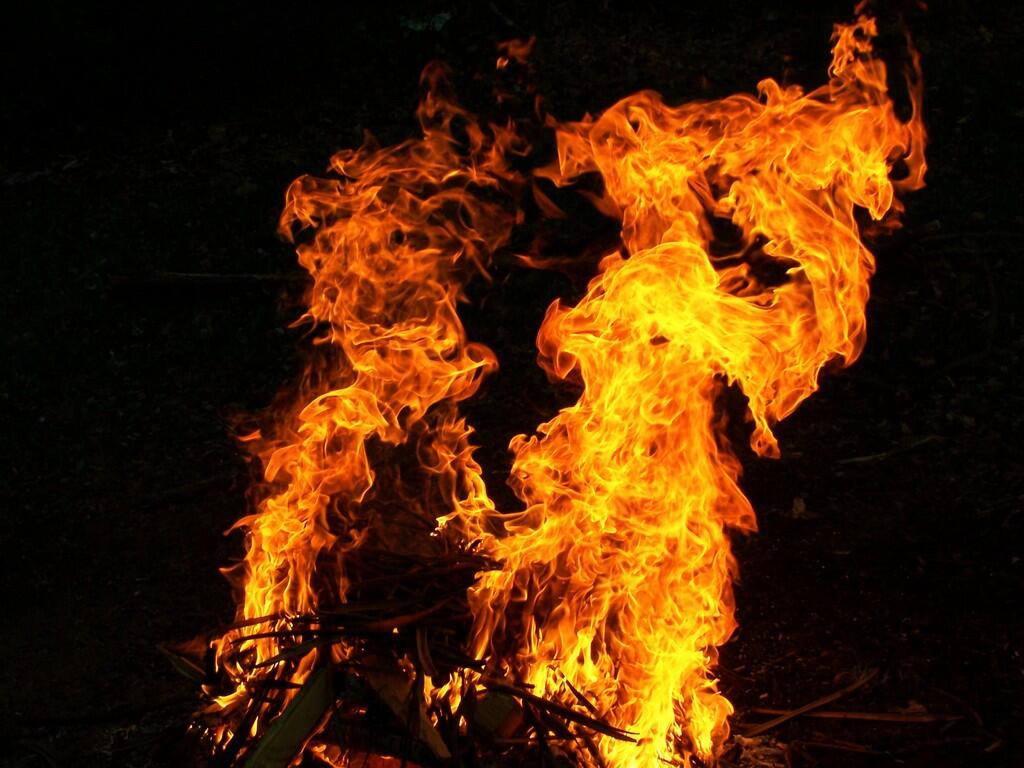
I was watching the flicker of the flames as I lit the charcoal this morning.💥 Big yellow flames as the charcoal and lighter fluid caused hydrocarbons to be split in a somewhat oxygen deprived environment producing yellow light as the carbon bonded to the oxygen producing carbon monoxide and carbon dioxide.🔥
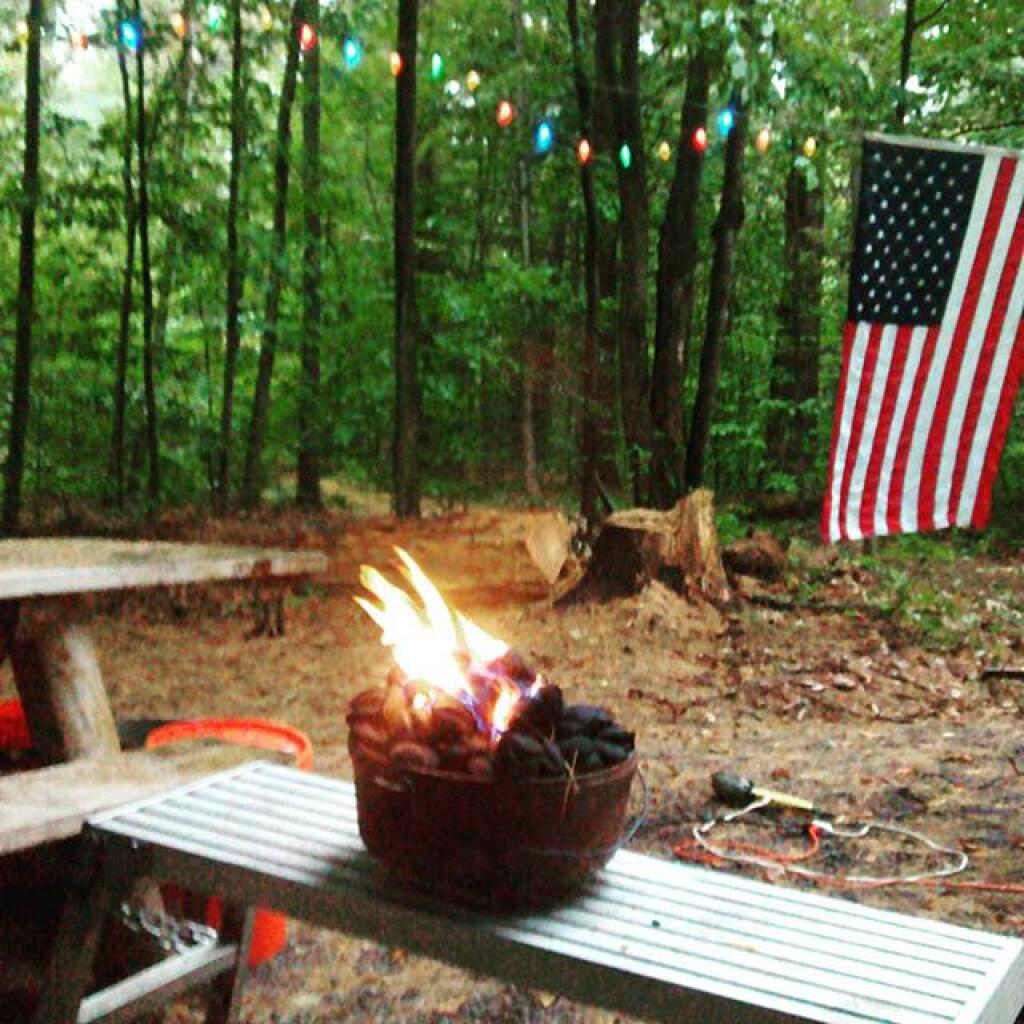
While it’s true that carbon monoxide is a deadly poison that kills humans and animals, and exposure to elevated levels causes heart disease, out in the wilderness it quickly dissipates into non harmful levels as a substance that is a part of nature. 🌀It’s a much bigger problem in cities where there are many more sources of carbon monoxide or in enclosed areas where there isn’t a virtually unlimited supply of oxygen.👷
![Untitled [Expires December 16 2025]](https://andyarthur.org//data/photo_019309_large.jpg)
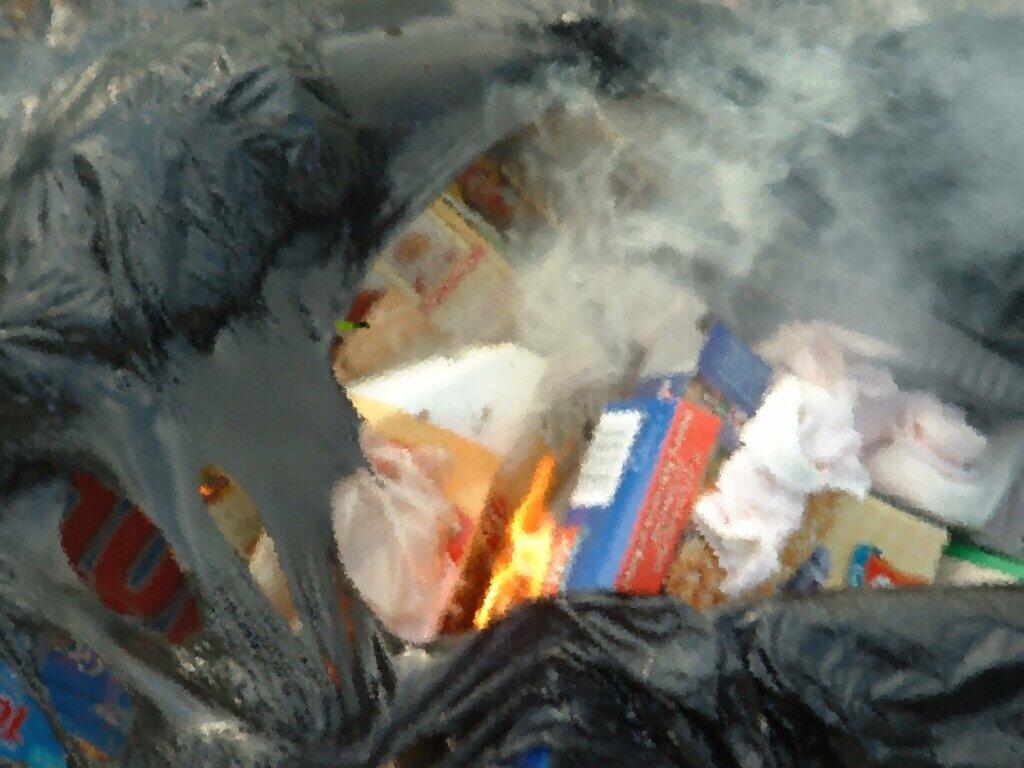
I enjoy looking at the flames, the flicker and the warmth. Fire produces light, and warmth, it can be used to cook🍔 or even dispose of burnable waste.🛢 Who doesn’t like watching that styrofoam plate or plastic milk jug melt away into oblivion?
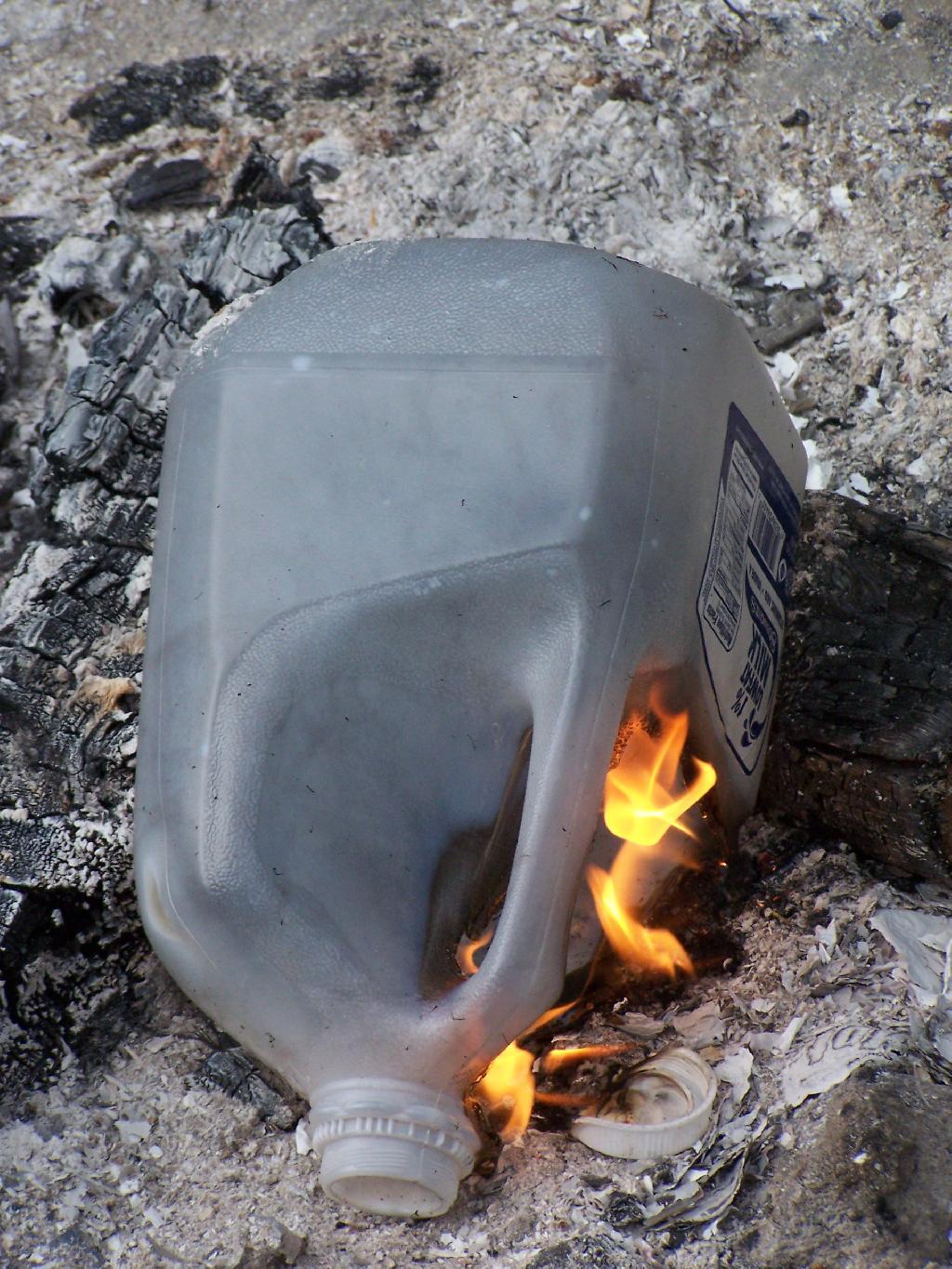
I’ll be the first to admit I’m a fire bug. I like fire, I like camping and spending time in the wilderness. I cook with fire, and sit into the evening next to roaring fire.🔥 When I finally own a house and land, it will be out in the country where I can heat with wood, cook over fire, burn my own garbage and have bonfires.🏡
I get that fire can be a dangerous and destructive force. 👿Fire can pollute, smell bad, especially when burning certain noxious substances in more urbanized areas.🌟 But out in the country, the wilderness, when used safely it can be very beneficial force.