Notes πŸ“

πŸ—ΊοΈ Maps πŸ–ΌοΈ Photos πŸ“½οΈ Videos

Happy Pride Month! πŸ³οΈβ€πŸŒˆ

I concede I’ve been a bit slow at switching the CSS to reflect pride month, but it’s now upon us. One of the great strengths of nation is it’s diversity, and we should let people live as they so please as long as they’re not impacting our own lives. Live and let live!

PWM vs MPPT Solar Controllers

The fundamental difference between PWM and MPPT solar controllers is how they handle excess voltage from solar panels: a PWM controller acts as a direct switch that drags panel voltage down to the battery’s voltage level, whereas an MPPT controller acts as an intelligent DC-to-DC converter that transforms excess panel voltage into additional charging current.

FeaturePWM (Pulse Width Modulation)MPPT (Maximum Power Point Tracking)
How it WorksActs like a rapid on/off switch.Acts like an automated, variable transformer.
Voltage HandlingForces panel voltage to match battery voltage.Decouples panel voltage from battery voltage.
Power ConversionClips excess voltage, wasting potential power.Converts high voltage into extra amperage.
EfficiencyGenerally 75% to 80% efficient.Typically 95% to 99% efficient.
CostLow cost and highly budget-friendly.High cost, higher initial investment.

PWM Controllers

A PWM controller functions essentially like an electronic valve. When connected, it locks the solar panel’s operating voltage to the battery’s current voltage.

  • The Problem: If a solar panel naturally wants to run at 18V to produce peak power, but your battery sits at 12V, the PWM controller forces the panel down to 12V.
  • The Result: The remaining 6V is entirely lost. Because it cannot manipulate current, the excess voltage yields zero extra charging power.

MPPT Controllers

An MPPT controller acts as a smart power optimizer. It constantly tracks the panel’s “sweet spot” where voltage and current multiply to create the highest total wattage.

  • The Process: It allows the solar panel to run at its highest native voltage (e.g., 36V or 100V).
  • The Result: The controller drops that high input voltage down to match the battery voltage, while simultaneously boosting the output amperage going into the battery. You capture up to 30% more total energy from the exact same panels. [1, 2, 3, 4]

Climate and Environmental Factors

  • Cold Weather: MPPT controllers drastically outperform PWM options in winter. Solar panel voltage spikes as temperatures drop. MPPT converts this bonus voltage into more charging power, while PWM simply discards it. [1, 2, 3, 4]
  • Hot Weather: The performance gap narrows on hot summer days. High heat drops panel voltage closer to the battery’s voltage level. Because there is less “extra” voltage to convert, an MPPT provides a much smaller efficiency boost over PWM in tropical environments.

System Design Considerations

  • Panel Matching: PWM requires the solar array to have the same nominal voltage as the battery bank (e.g., a 12V panel for a 12V battery). MPPT allows you to use high-voltage house panels or string multiple panels in series to save on wiring costs.
  • System Size: For small, low-power systems under 200W (like a single panel on a small camper or a gate opener), a PWM controller is highly cost-effective. For larger arrays or high-performance setups over 400W, an MPPT controller is almost mandatory to avoid massive energy waste.
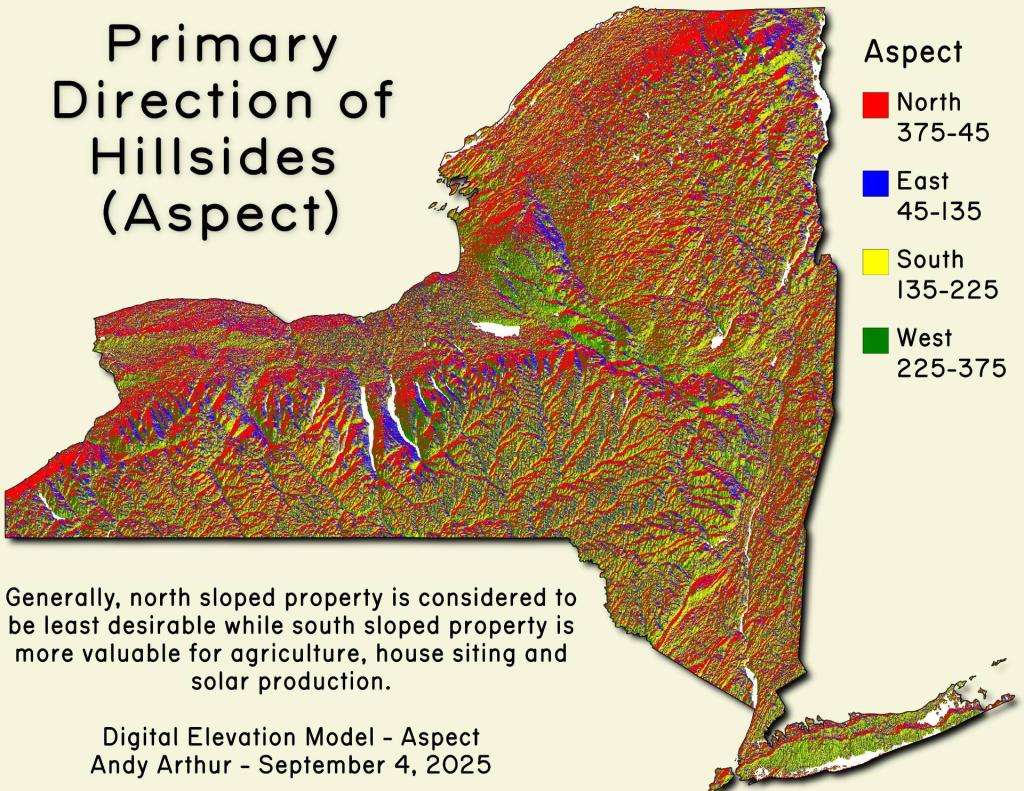
Map: Green Mountain National Forest North
Map: Green Mountain National Forest South

It was the third of June on a hot summer day… 🩴

With all apologizes to Bobby Jo Gentry and her song of nearly 60 years ago now. I still can’t believe how many wrinkles that farmer girl I knew from high school now has. All that time out in the sun turning dirt I guess.

It’s going to be a nice ride in today, 🚴 as today I don’t have any meetings to go to after work. Guilderland adopted the local law requiring properties being considered in Albany Pine Bush Study Area to get reviewed by the Albany Pine Bush Technical Commission πŸ”ŽπŸ¦‹ which we spoke in favor of the meeting last night. So that was good, and I got home at a reasonable hour. If I wasn’t tired and hungry, πŸ˜‹ I could have gone for a ride for a bit, I thought about getting some groceries as I’m low on a list of things, but I’ll just do that after work today.

Still no news on the truck cap. πŸš› I will call around 10:30 AM this week but I doubt I’ll get it installed before the weekend. β˜” Going to rain this weekend, so probably not the best weekend to do this.Β  Second solar panel and “y” connector is getting delivered on Saturday so I want to be here to take delivery. Friday, if it’s hot and nice, β˜€οΈ I might drive in so I can run mid-day to Metal Warehouse to get some aluminum bar for mounting that second panel. I figure if I could also squeeze in some time after work in the hammock if it’s hot by the river at Henry Hudson Park, read until dark and then run into Wally World for supplies. Also need a second battery box, I will get that at Albany Walmart when I have the truck cap installed. Might also go up to Thacher Park on Nature Bus 🚏 this weekend, depends on when the panel is delivered and how wet things really are. Kind of looks like a dreary weekend.

Well, it’s time to shower, turn off that Ode to Billie Joe, πŸŽ™οΈ and hop on the mountain bike πŸš΅β€β™‚οΈ and get to work before it gets too hot and it’s too late in the morning. πŸŒ… Important the big boss man gets to work on time, need to make that money, so I can save and invest it to buy hog feed, 🐷 land  🚜 and that heavy-guage metal for the homestead incinerator πŸ”₯ some day in the future at the off-grid cabin. 🐐 Plus pay for the truck cap and other things I’ve already committed to for the next few years.

A gas crisis like COVID β›½

I often dream of an energy crisis like COVID. Quiet roads, people stay home and stay safe because they can’t afford fuel for their cars due to the continuing Middle Eastern Crisis brought on by the lack of leadership by the President.

I remember those days during the height of the COVID Pause in early April 2020 when the roads were mostly quiet and free of traffic. Schools and businesses shuttered. People stayed home, worked remotely. It was nice not hearing the constant mill of traffic. Much less urban air pollution as vast fleets of cars stop running, as people can’t afford to gas up. A deep crisis, an economic shutdown.

This time I would be much better prepared if it came to that with my laptop and VPN set up. Plus I would have my bicycle so despite dramatic cut backs in vehicle use due to excessive gas prices, I could ride my bike to work most days. And if I needed to work from home, I could always use the much more extensive data my phone plan offers, or go down to the library, which would be unlikely to be closed due to high fuel prices.

Even camping, while expensive, would be good during such a crisis, with the woods mostly quiet and free of others, and I could remote work, writing reports from the hammock and taking calls from side of swimming hole, taking breaks to jump into the swimming hole. But maybe I just have too many good memories from the working from the backcountry in summer 2020.

SVGZ Graphic: Arrests for Violent Felonies Per 100k Residents 2013-2024