If Recycling Was Honest (BRAND-NEW HONEST ADS!)
Roger Horton returns for the first time since 2017 to explain why recycling is pointless and, even worse, is basically just one big scam.

Roger Horton returns for the first time since 2017 to explain why recycling is pointless and, even worse, is basically just one big scam.

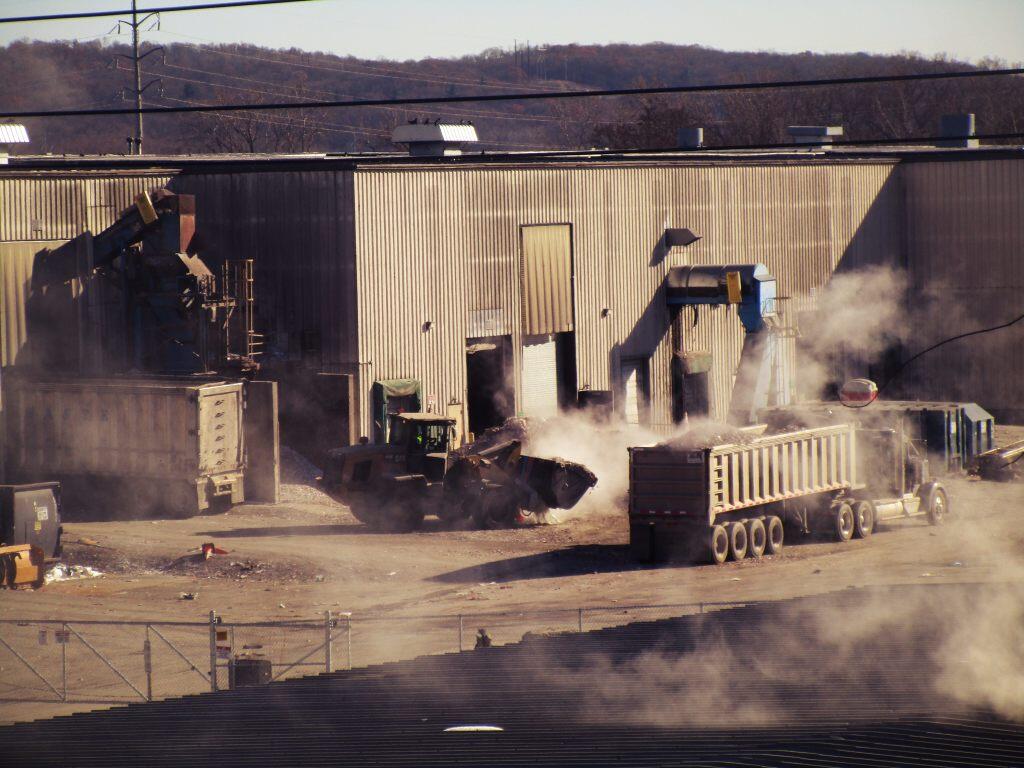
Recycling is a bit of an national obsession and a joke these days. More people recycle in America then vote, it’s looked down upon people who don’t use the proper recycling bins. It’s even gotten to the point where people toss so much crap into recycling bins, that waste disposal and sorting costs at recycling plants has become a major drag on the facilities. People want to do the right thing and feel virtuous.
Now I certainly do recycle my cans and glass in part because I pay $2 a bag to dispose of unrecycled material at the transfer station, and it’s a trip down there that I try to avoid making. Plus I don’t like looking at landfills or thinking about all my crushed debris piled up there indefinably. But I generally don’t have a lot of waste, because I buy in bulk, avoid purchasing material things preferring savings over spending, and don’t eat out — a big source of garbage in a country where people spend more money eating out then eating at home. In the summer months, a lot of my burnable stuff, is used for starting campfires.
But having looked at the actual recycling numbers, very little day-to-day household waste actually gets recycled. Of waste commonly disposed in curbside or transfer station in garbage bags and dumpsters, only 2-3% of it actually is separated out into recyclable materials that have a chance of being sold as scrap and reprocessed into something new. Calling scrapping cars, old washing machines, refrigerators, or composting leaves and wood debris recycling distorts what people actually consider recycling — the stuff put in the blue box or recycling dumpster.
Much common waste, maybe not day to day trash is either landfilled, incinerated or burned, from old computers to mattresses to brick and concrete to broken appliances and headphones. Most of it is mixed in with the ordinary household trash, the banana peals and rotting chicken bones then buried or burned, leaching it’s toxic residue into the air and water. Look around your room — how much of the stuff that you had ten years ago is still around you, and how much of it is now landfill or smoke?
Recycling certainly saves materials and landfill space, although common curbside recycling is kind of a joke. It would do better to reduce material consumption and focus on important recyclables like metals, which have to be mined and can be reprocessed with a large part of the material recycled — although not all as some is always lost as a dross. But I think it’s emphasized too much, and focuses on the wrong kind of things — not the toxic wastes like electronics or the bulk wastes like old appliances and furniture.

A block by block analysis using county tax rolls to calculate the percentage of buildings that likely were constructed with asbestos containing materials.
"You know PVC and you don't know PVC: "New car smell? New shower curtain smell? That's the smell of poisonous chemicals off-gassing from the PVC."

You burn plastic, you knuckle-dragging hillbilly, criminal who hates mother earth.
Says the people in the plastic houses with their recycling bins packed full of plastic trash, soon enough to be hauled away in the smoke-bleaching diesel trucks, smashing it in with the tin cans, junk mail, and glass wine bottles. Soon enough to be deposited at the smelly old material recycling facility, with much of the plastics to be only temporarily diverted from the landfill as there is little market for oversees for waste plastics.
Honestly, I don’t care that much as I watch that plastic bottle melt and get all distorted into werid shapes as the bright yellow flames and thickly black smoke floats off into the atmosphere. It’s reality. That said, I don’t exactly enjoy the pollution or smoke, and I do what many recycles don’t do – I try to avoid plastics and packaging to the extent I can. I buy in bulk and shun packaged food as much as possible in favor of basic raw ingredients. Yes, there is inevitably is plastic mulk jugs, yougurt containers and Styrofoam egg containers, and those lightweight plastic bags, but they hardly are what the typical suburban consumer produces.
Outlaw maybe, but then again many backwoods people operate the fringe of legality, mostly living out of the shadow of the law and peering neighbors. But there is so few of such people, that despite all the worries of dioxin and plasticizers, it doesn’t really add up to much and doesn’t impact anyone else. The cowboys and farmers, the rural residents and cabin dwellers. The men of the forest. The letters on the paper board box, charred and blackened and turned back to ash and brown off on the wind.
Now I get not everybody can be a backwoods hillbilly, doing things the old backwards ways frowned upon by urban society, as it cranks out it effulence and makes it’s ego fill full of wokeness. So proud to be washing out those plastic containers, and carefully sorting them out from the other discards on the short or longer trip to the city dump, and growing piles of shit that surround all our cities and rise over the countryside. Still it doesn’t mean I think they’re right.