LANDSTAT 1 – January 8, 1973
Monday, January 8, 1973 after a snow storm that most impacted the higher elevation areas south of Adirondacks. LANDSTAT 1. And yes, as you can see, the old LANDSTAT imagetry is geoReferenced. Neat!
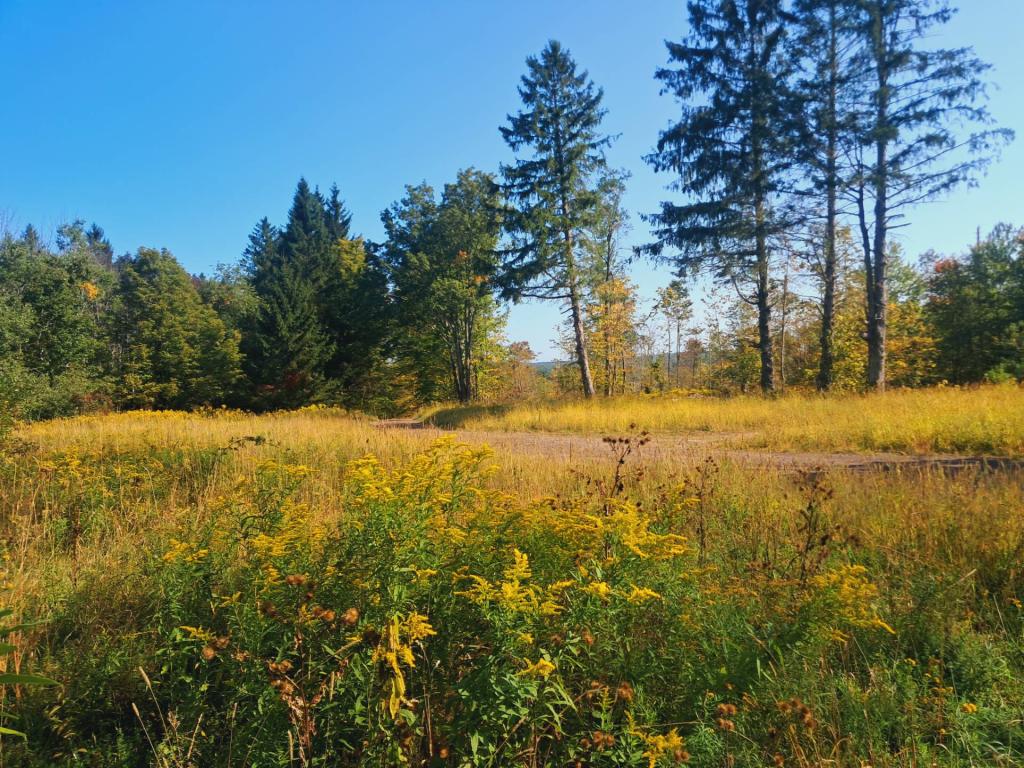
Outside of Sprakers, New York.
Fly ash from burning coal is almost everywhere in the Mohawk River and a hotspot between Amsterdam and Schenectady may indicate that the river is cutting into spoils dumped long ago. I recently wrote about microplastics in the River, and that work resulted in a parallel study on the discovery of fly ash in the same samples caught in a manta trawl pulled through the water. This recent finding is concerning because fly ash contains a number of heavy metals and toxins. When we started this investigation, we weren’t looking for fly ash; we were looking for microplastics but stumbled upon this interesting issue related to burning coal from long ago.
Coal fly ash is produced from the combustion of coal in power plants. Fly ash and coal ash are the less dense waste byproducts of coal-burning furnaces, but together they make up the bulk of the Coal Combustion Residuals (CCR). Both have a basic chemistry dominated by (Si Al O?Fe) with or without additional elements (e.g., Zn, Ti) - and also a number of heavy metals, especially arsenic.
The Mohawk Valley is an interesting mixture of urban development, old mill towns and farming. Starting at Albany, you are looking west past the Pine Bush and Schenectady to the farm lands that line the valley, trimmed with the hills of Central Leatherstocking region to the south and Adirondacks to the north.