Malvina Reynolds – Buying The Package
You're buying the package, you're buying the dream. You pay for the ads, on the television screen. They sell you a story, They sell you a mood, but what they don't deliver is food.

You're buying the package, you're buying the dream. You pay for the ads, on the television screen. They sell you a story, They sell you a mood, but what they don't deliver is food.

Like everything, it depends.
Sustainability is a popular thing these days. Marketing premium greenie products like solar farms and electric cars is all the rage. You can’t open social media without seeing their advertising. But in many cases, I’m really not sure if they are that good for the environment.
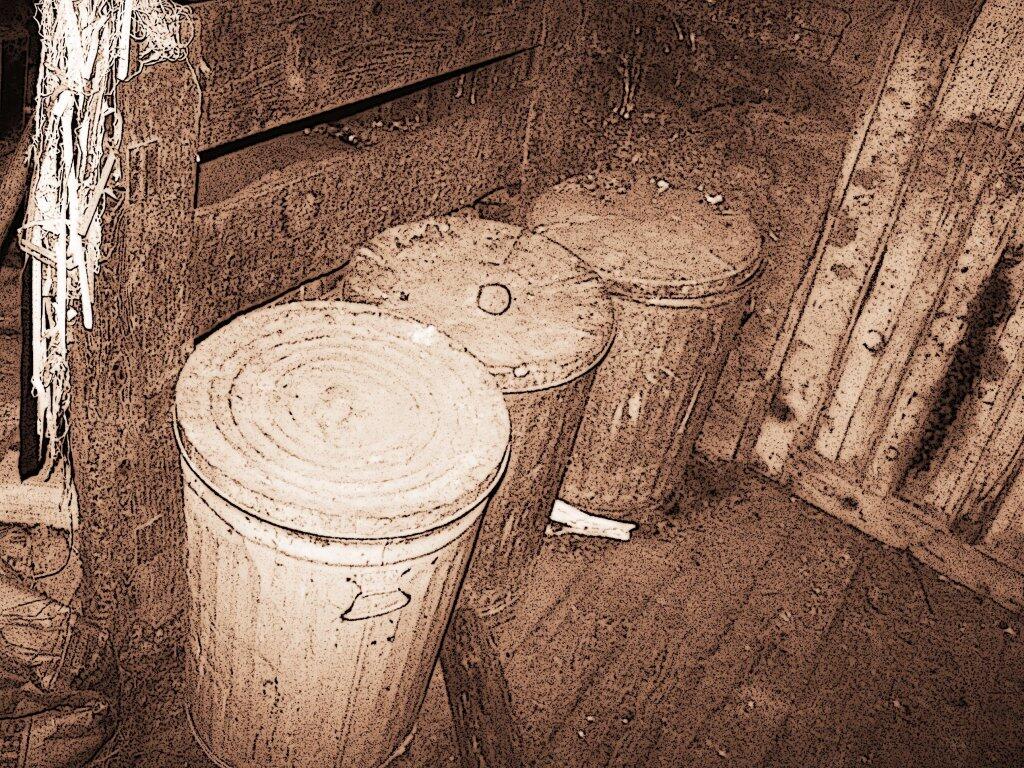
“Bro, I am sure you can find less expensive things to fill up your garbage can with these days, then any of the China Crap (TM) you can find harvested from the rain-forest on the Amazon.”
More and more companies are offering so-called green products, that are biodegradable, organically farmed, or are natural. They all promise that they not only will make your life better, but are also easy on the planet. But the truth is most of them are pretty bad for our environment.
The truth it’s always better to buy nothing at all and minimize consumption then buy green products. Any time you purchase something it is a product that has been produced and made out of products from our environment. Most products contain a variety of non-renewable resources, that will never be replaced once you consume them.
Do you really need that new television or computer? How about that sofa bed or other piece of furniture?
Our biggest source of solid waste is from the consumption and disposal of the big objects in our lives: our furniture, our housing. Indeed, if you could learn to live with older furniture and older equipment you could do much to reduce your impact on the earth. While we can often buy new at low prices, we should think twice and consider our impact on the planet.
Instead, we should focus on investing more and buying less. If you save money, and buy only things you need that will have a lasting benefit on your life, but a relatively minor environmental impact. Reduce expenditures on things that depreciate quickly in value, and invest in things that either depreciate slowly or gain value.