Day: May 29, 2026💾

🖼️ Photos 📽️ Videos

Crimson Clover

Crimson clover (Trifolium incarnatum) is a fast-growing, cool-season annual legume recognized by its vibrant, strawberry-shaped, deep red flower spikes. It serves as a highly efficient agricultural tooland a vital resource

  • Native Origin: It is native to Europe and the Mediterranean region. 
  • Geographic Range: It has naturalized throughout most of the United States, finding heavy use in the Southeast, Midwest, and Pacific coast.
  • Soil Preferences: It thrives in well-drained, sandy loam soils with a pH between 5.5 and 7.0. It performs poorly in heavy clay, highly acidic, or waterlogged conditions. 
  • Climate Requirements: Crimson clover grows rapidly during cool autumn and spring weather. It is typically grown as a winter annual in the South and as a spring or summer annual in colder northern climates where severe winters might kill the plant. 

Why It Is Planted for Agriculture 🚜

Farmers utilize crimson clover primarily as a multi-purpose cover crop, green manure, or livestock forage. 

  • Nitrogen Fixation: As a legume, it forms a symbiotic relationship with soil bacteria to pull nitrogen from the air and deposit it into the soil. It can add 70 to 150 pounds of natural nitrogen per acre, reducing the need for chemical fertilizers for subsequent crops like corn or cotton. 
  • Soil Building and Erosion Control: Its dense, fibrous root system anchors the topsoil during winter rains, preventing erosion and keeping valuable nutrients from leaching away. When terminated and plowed back into the dirt, it rapidly decomposes to build up organic matter and enhance soil oxygenation. 
  • Weed and Pest Suppression: Because it establishes very quickly, its dense canopy shades out and suppresses aggressive spring weeds. It also serves as an excellent habitat for predatory mites and lady beetles, which naturally hunt down devastating crop pests like thrips and aphids.
  • High-Protein Livestock Feed: Crimson clover provides sweet, highly palatable, and protein-rich winter forage or hay for cattle and other livestock. 

Benefits to Butterflies 🦋

Crimson clover is a cornerstone plant for wildlife biodiversity and insect conservation: 

  • High-Volume Nectar Source: The elongated, 0.5-to-1-inch blossom spikes are packed with large quantities of highly accessible, sugar-rich nectar. This provides a vital energy source for adult butterflies, including migrating species.
  • Early Spring Fuel: Because it blooms early in the spring when many other native wildflowers have not yet opened, it fills a critical “hunger gap” for emerging butterflies and general pollinators.
  • Caterpillar Host Plant: Clover species serve as essential larval host plants for several butterfly species, such as the Eastern Tailed-Blue and various Sulphur butterflies, providing the necessary food for their caterpillars to grow.
  • Shelter and Microclimate: The thick, hairy foliage creates a protected microclimate near the ground. This offers butterflies and other beneficial insects a safe refuge from harsh winds, heavy rain, and predators

Crimson clover is listed on the Invasive Plant Atlas of the United States and considered invasive by a few specific state agencies (such as in West Virginia), its behavior differs significantly from highly destructive invasive plants like kudzu or English ivy. 

Why It Threatens Native Ecosystems ⚠

  • Outcompeting Native Flora: In optimal conditions, crimson clover grows rapidly and forms dense, monolithic mats. This canopy can shade out and displace delicate native spring wildflowers and local grasses. 
  • Escaping Cultivation: Because it is widely used as a roadside stabilizer and agricultural cover crop, seeds easily escape into disturbed sites, natural prairies, open woodlands, and pastures. 
  • Soil Alteration: By heavily fixing nitrogen into the soil, it can alter the local soil chemistry. This change makes the environment less hospitable to native plants that have adapted to live specifically in low-nitrogen soils. 

Why the Risk is Often Deemed Manageable 👌

  • True Annual Lifecycle: Unlike aggressive perennial invaders, crimson clover is a strict annual. It dies completely after shedding its seeds in late spring or early summer. It cannot spread via aggressive underground running roots (rhizomes). 
  • Predictable Termination: In farming and gardening, it is incredibly easy to control. Mowing, tilling, or crimping the plant right as it begins to flower completely terminates the crop before it can drop “hard seeds” that would volunteer the following year. 
  • Used as a “Nurse Crop”: Ironically, conservationists sometimes use its fast-growing nature to their advantage. It can be planted as a temporary nurse crop to suppress much worse, permanent invasive weeds while slower-growing native prairie seeds establish underneath it. 

Native Alternatives to Crimson Clover 🌍

Native Alternative Plant TypeBenefit
Purple Prairie Clover (Dalea purpurea)Perennial LegumeFixes nitrogen, highly attractive to native bees and butterflies.
Wild Lupine (Lupinus perennis)Perennial LegumeEssential host plant for the endangered Karner Blue butterfly.
American Vetch (Vicia americana)Perennial VineFixes nitrogen, provides excellent early-season forage and nectar.
Partridge Pea (Chamaecrista fasciculata)Annual LegumeRapidly controls erosion and feeds sulfur butterfly caterpillars.
SVGZ Graphic: Cattle in America (2017)
Thematic Map: Census Tracts in America with Fewer then 100 People Per Square Mile
Map: Catlin State Forest

Truth is I just need the weekend to survive 🥱

That and rainy days, though there won’t be any this weekend, but at least I can pretend to sleep in this weekend, but it’s early summer so it’s go-go-go. Last night was great but it was after 9 PM when I got home on my mountain bike from Black Creek WMA, had some dinner, scrolled through that awful social media site, it was after 10 PM by the time I was asleep. And up at like quarter after five, as the sun was shinning and I needed to pee.

I was listening to a podcast 🎧 last night about air pollution, and it was full of advertisements about chron’s disease. 💩 Yuck, though I do admit sometimes, well most of the time, I eat an actually healthy amount of fiber with me mostly veggies lunch and carrot pancakes, 🥬 so it keeps me pooping. That book I read about composting toilets got me thinking a lot about the challenges of humanure – besides the ick factor – there are a lot of complicated issues in composting poop. Hook worm 🪱 and all kinds of other diseases are possible with composting poop, though I’m not convinced landfilling is the option. But what they don’t tell you about most composting and outhouse systems, is your just landfilling the poop on-site. Some of it’s volume breaks down, but it’s hard to recapture the nutrients. On site landfilling of the poop (burying it) does mean it continues to breakdown and is pretty harmless in a few years, but it also doesn’t seem like a much of a solution. But the same is true with on-farm trash dumps, if the waste is burned and free of organic matter to cause soil shifting, buried deep in an area not like , and not nuclear waste or drums of dripping chemicals, it’s pretty harmless. 🤷‍♂️ People though act like everything is toxic waste. 💀 But what do I know, I spend a lot of my summer pooping in a bucket 🪣 and burning the plastic wrappers. 🔥 That is once my camper shell arrives.

It was remarkably nice last night. 🌆 I started out to Five Rivers but I ended up deciding against it as I’ve gone there a lot this spring and thought it would be nice to instead spend the evening reading 📚 and studying the wild flowers 🌼 at Bender Mellon. Seems like there is fewer daisies around this year, but maybe I’ve not be heading out to the places where they are most common. I guess it’s still pretty early, only late May. Still it feels like summer is rapidly racing through as I wait for my truck cap to arrive. ⌛ Summer is always like that, you wait for the bugs to clear out of the woods and to get hot, and before you know it, it’s September. 🍂 Cue the Brian Hyland’s Sealed with a Kiss, that intro melody always struck me as a good introduction to six o’clock Action News, but what do I know? Bender Mellon was good, and then after a little bit of reading and looking at the wildflowers, I rode out to Black Creek Marsh, checked out the observation tower 🗼 they are building, climbed up it because there was no signs prohibiting such a thing, and then walked down to the creek to swat bugs and watch the sun set. 🐸 🦆 Then I rode home, listening to a podcast discussing the Syracuse Viaduct to street-level conversion project. Downtown Syracuse will likely be gentrifying soon, but that’s good, as nobody wants to listen to and smell diesel trucks all day. I remember going to one of those drunk 🍹 fests, work dinners, and having to walk under the Viaduct back to the hotel. That wasn’t much fun. And the Syracuse Viaduct is so narrow, with tricky merges, so I’m kind of glad I’m gone but also glad I don’t live there while construction is underway. I’m sure if it was like when I was working in North Syracuse, I’d be driving down a lot ot Tully to hike and spend times in woods around Labrador Pond.

I wasn’t sure what I was going to do for breakfast, 🥞 ended up being more apple pancakes as I like breakfasts sweet and with lots of fiber from the carrots, 🥕 which another five ponund bag is almost ready to carry my lunches before getting added to bag to turn into carbon dioxide, the plant food fire and my big SuperDuty truck produces and cities produce way too much of. But I ride my bike to work and I compost, 🔥 so I’m almost a greenie. 💚 And eventually I’ll have hogs, 🐷 if not this year. I’m just waiting to get back to wilderness, and few more years hopefully of traveling the back roads and smoking dope. Made some coffee ☕ up but that didn’t last for long, and now I’m sipping some apple cider vinegar with my water. People say, oh you must have awesome blood sugar 🧁 and be so healthy with ACV. I am like, no but I’m probably trashing my teeth with all that diluted acid, and I just like the tangy taste. It’s just so much better then that overly sugary and sloppy with fat crap that the commercial institutions are ramming down our throats. Speaking of which, I need to poop, 💩 shower, and hop on my mountain bike and head to the office 🏢 and get more tax data and ioi_codes loaded into the system.
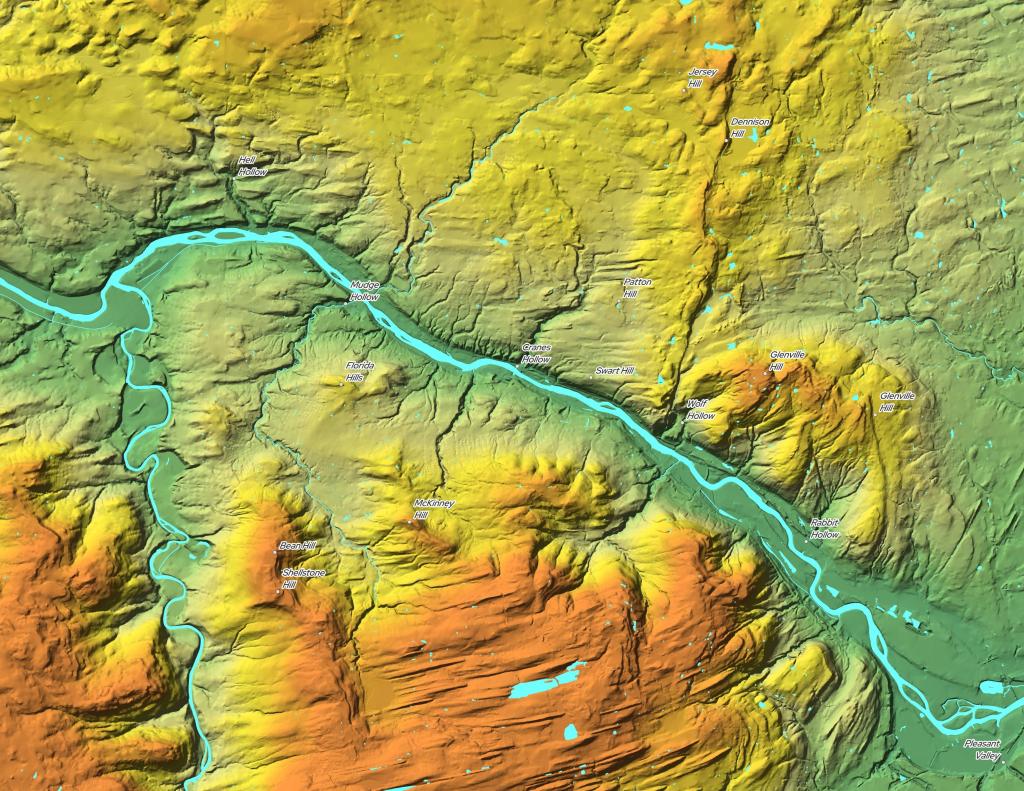
Map: Mountain House Trail and North Mountain
Thematic Map: Albany Art

Dow Futures Tick Up

Stock Market Today: Dow Futures Tick Up

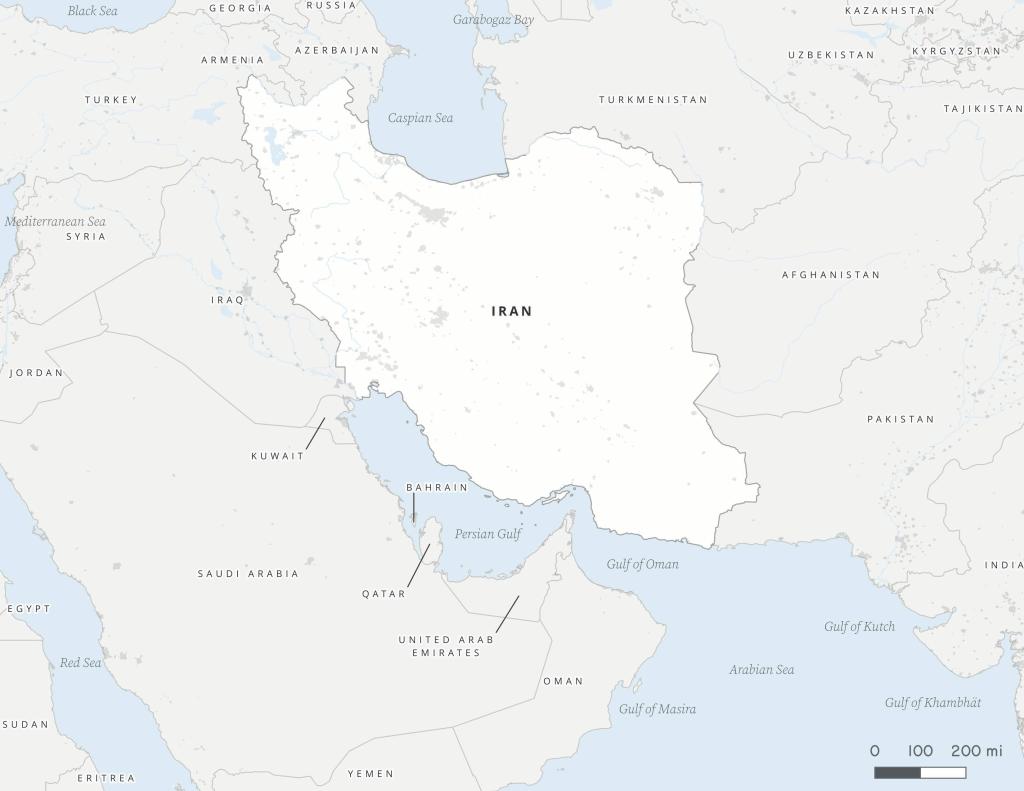
Oil is extending its decline after the latest reports of a possible peace deal with Iran.

The most actively traded Brent crude futures were recently down 2% around $91 a barrel. Brent is headed for its biggest monthly drop since May 2020 after falling nearly 18% through Thursday. U.S. stock futures are ticking up a little and Treasury yields are largely unchanged.

Treasury Secretary Scott Bessent said yesterday that Washington and Tehran are within reach of an agreement to wind down the war, though President Trump hasn’t signed off yet. The White House wants commitments from Iran to dispose of its highly enriched uranium and never to seek a nuclear weapon, as well as a full reopening of the Strait of Hormuz.