More Porta-Potties 🚽
It brings me immense joy and satisfaction to witness the increasing number of roadside parking areas that are now equipped with convenient porta-potties. In the past, such amenities were often scarce, leaving travelers like myself yearning for a suitable spot to answer nature’s call. However, as I have embraced a healthier eating regimen, I have noticed that the need to stop and use the restroom has become more frequent. That’s where the presence of these portable toilet facilities becomes absolutely essential.
Public toilets serve a fundamental human need by providing a clean and accessible space for individuals to relieve themselves comfortably. Although gas stations and fast food establishments have traditionally offered such facilities, expanding these conveniences to include more roadside parking areas truly enhances the travel experience. No longer do we have to hastily search for secluded spots or rely on the mercy of trees along the way for impromptu pit stops. Instead, we can now embark on our journeys with the peace of mind that adequate restroom facilities will be conveniently available.
The significance of these porta-potties cannot be overstated. They not only alleviate the discomfort and inconvenience associated with holding it in but also contribute to the overall delightfulness of traveling. By offering more opportunities for travelers to take a break and attend to nature’s call, these facilities promote safe driving practices and ensure that our physical well-being is upheld during our adventures.
So, next time you hit the road, keep an eye out for these indispensable rest stops. Embrace the gratefulness that washes over you as you no longer have to resort to searching for remote sections of road or rely on the sporadic availability of gas stations and fast food places. The inclusion of porta-potties in roadside parking areas not only facilitates your healthier eating habits but also enhances your overall journey, making it a more pleasant and memorable experience. Happy travels!
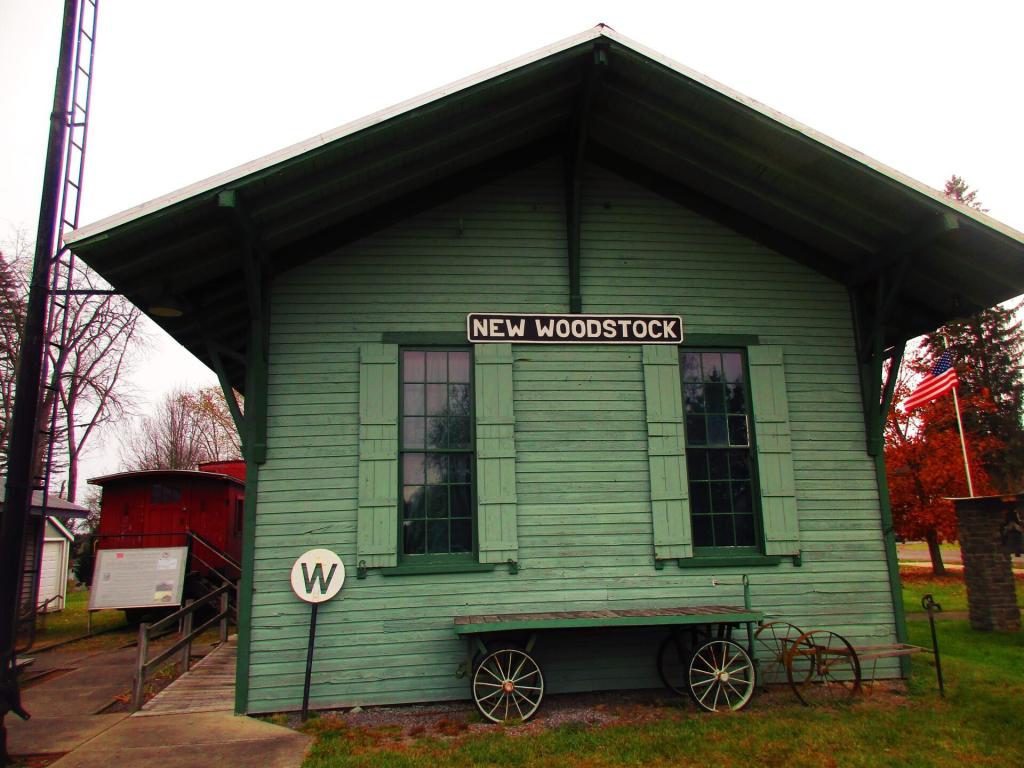
Park Exit
Like a cauldron of hazardous chemicals 🛢️
I was watching this fairly suburban-looking, I’d argue high consumption household, generating lots of paper and plastic trash, out in the country in rural Ohio where they are allowed to burn ordinary household trash. While it seems like they got backed up on trash burning chores, I was struck by how much trash this girl was tossing into the fire.
I don’t get upset with throwing a little bit of plastic into a fire or burning it with the trash, especially common throw-away plastics like Number 1, 2 and 5 resins. While there is inevitably some plasticizers, colors, and chemicals that are toxic, most modern trash isn’t the toxic soup it once was in the 1970s and 1980s both due to government regulation and voluntary changes by the paper and plastics industry. It’s not say you should stand downwind of a burning barrel and breathe in the smoke, but it’s also not nuclear waste that is typically part of household trash.
When you burn your household trash, you are in many ways dependent on weather conditions. It really can’t be pouring rain, your burn barrel can’t be full of snow, or things too bone dry. Without weekly trash pick up or regular trash burns, things can, as the video notes really get backed up. I know over the years when I don’t get to the transfer station or have fires up in the woods, I can end up with multiple bags to burn, even after compacting the trash down and separating out things like cans, and sometimes paper and plasitc for recycling.
That said, there is an alternative to burning or hauling off all this trash – it’s to make a lot less of it. Some packaging in our modern world is inevitable, but the frugal shopper buys in bulk, gets raw ingredients and natural products that only come with their skin for composting. Plastics and paper recycling is fine, but I’m not convinced that it’s much better at all for the environment then burning it on the rural homestead. It does make an excellent fire starter, especially if you keep paper separated out and dry, and compost the organics. That said, some heavier plastics like old extremely boots, if you can’t reuse them probably are best disposed of through the urban landfill system or maybe the farm dump if you have a lot of land.
Also I’m not convinced that burn barrel is the best way to incinerate and dispose of packaging on the homestead or farm. It’s not to say I’m against burning, indeed it’s a powerful tool for waste disposal on small scale. But burn barrels smolder and stink, they encourage people to mix in wet organics with wet paper, maximize hazardous byproducts of poor combustion. Almost any kind of homemade incinerator would be better then a burn barrel, especially with forced air and accelerant like lighter fluid and uesd motor oil to get it started. Or even a fire pit with lots of wood scraps to get a roaring fire, to quickly break down the chemicals in the paper and plastic. Trash fires need not stink when burning ordinary packaging if done right.
I’m all for burning as a waste disposal solution on rural homesteads. I don’t see it as a great evil. But I think it’s best done after minimizing and composting wastes, keeping paper dry and reusing whatever is possible and only burning as a last resort. Not using a stinking, smoldering burn barrel as part of an essentially suburban consumption pattern, which otherwise would be replaced by weekly garbage pickup to a distant landfill.