
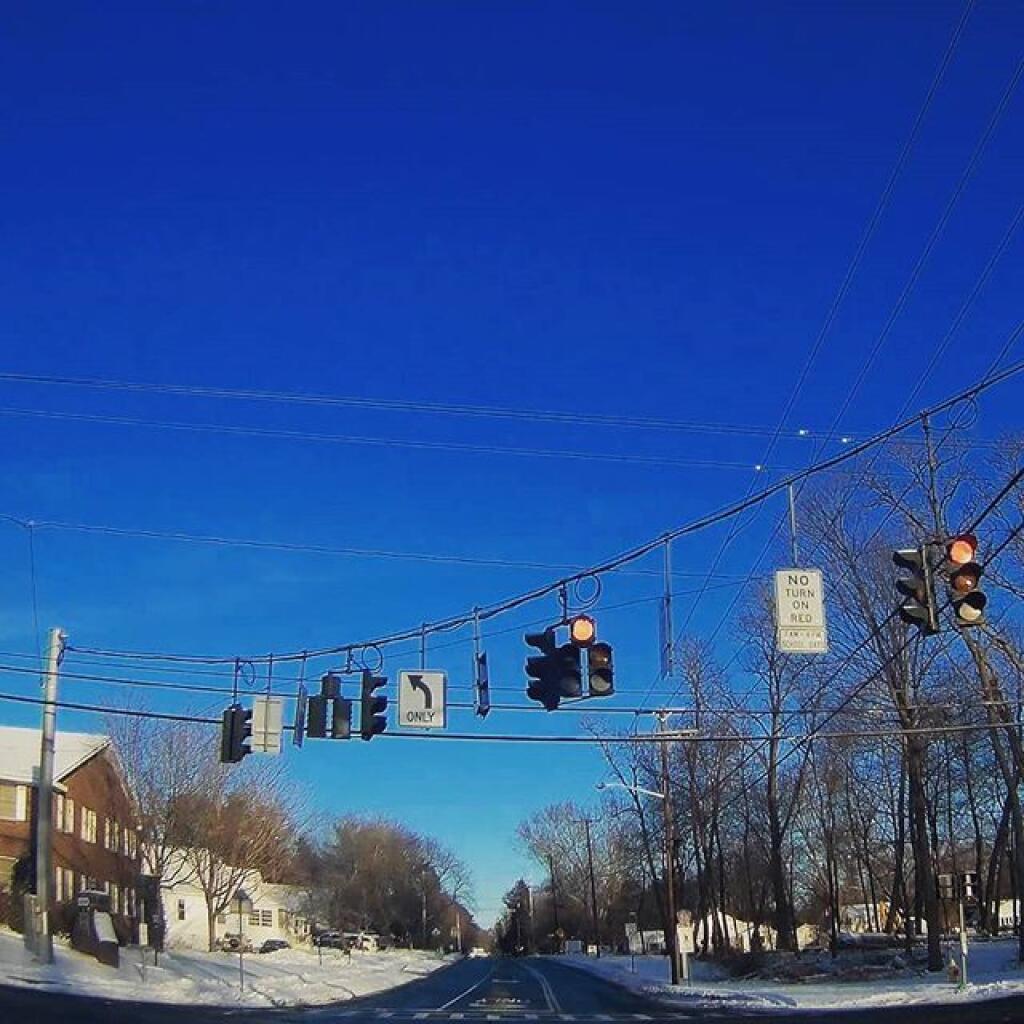
Wintery Scene


Some of the aerial photography and interactive maps on the blog won’t be working tonight. Here’s why:
Hello,
Maintenance is scheduled for the server used for GIS data downloads through the GIS Clearinghouse (gis.ny.gov) and the Discover GIS application (orthos.dhses.ny.gov). Access via ftp is on ftp.gis.ny.gov while https download links from the same server use https://gisdata.ny.gov. Datasets include orthoimagery, LIDAR, and DEMS, as well as raster maps on gis.ny.gov.
The work will be done Monday, December 27, 2021 after 5 PM EST and will finish later in the evening.
There will be an interruption in service, so we recommend users complete downloads before the maintenance period. We apologize for any inconvenience.
Thank you.
Tim
We often take Christmas carols at face value. But at least one holiday favorite, “Do You Hear What I Hear,” contains more than what first meets the ear.
Written during the height of the Cuban Missile Crisis, the song contains references to the fear of a nuclear attack. Many of the phrases it contains, such as “a star, dancing in the night, with a tail as big as a kite” can be interpreted in two ways: as the bright star of Bethlehem that leads the Magi to the baby Jesus—or as the sight of a nuclear missile in flight. “The star was meant to be a bomb,” the composers’ daughter, Gabrielle Regney, explained to GBH News, the magazine of the Boston public radio station, in 2019.