I was thinking through the years, how many days I’ve spent camping in the wilderness on cold, wet muddy nights.
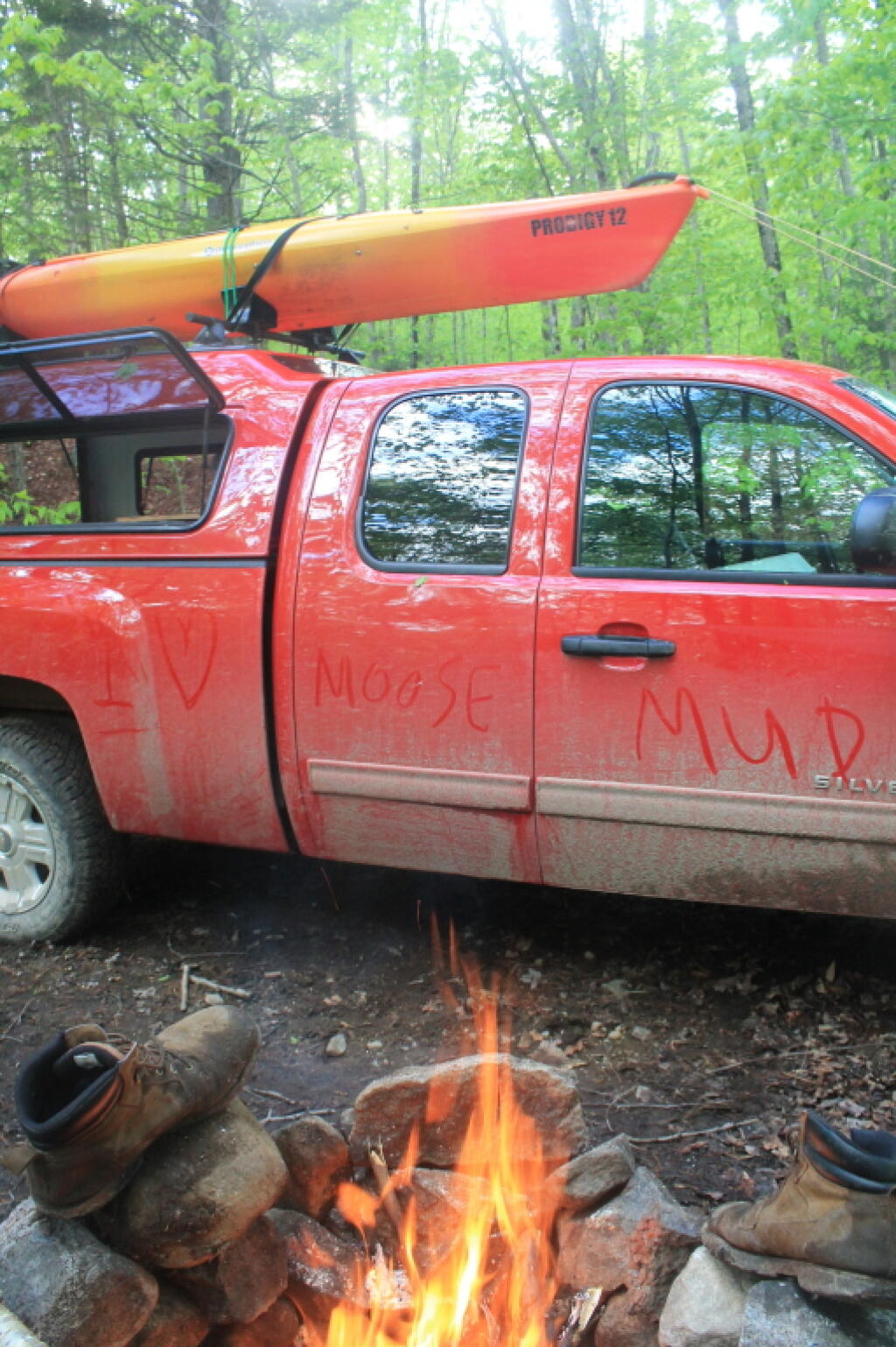
Dealing with wet gear isn’t a lot of fun.
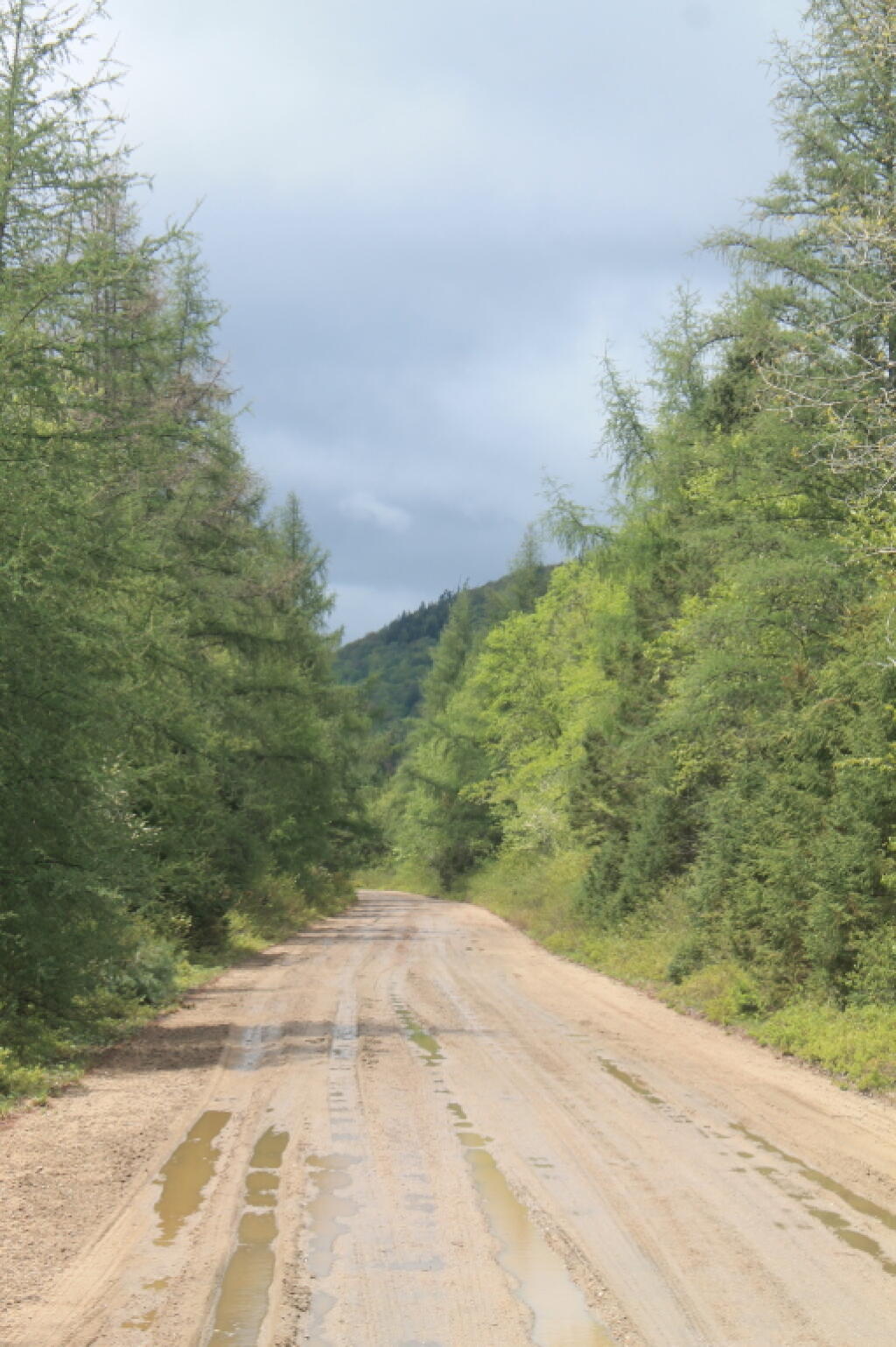
But it’s part of life.
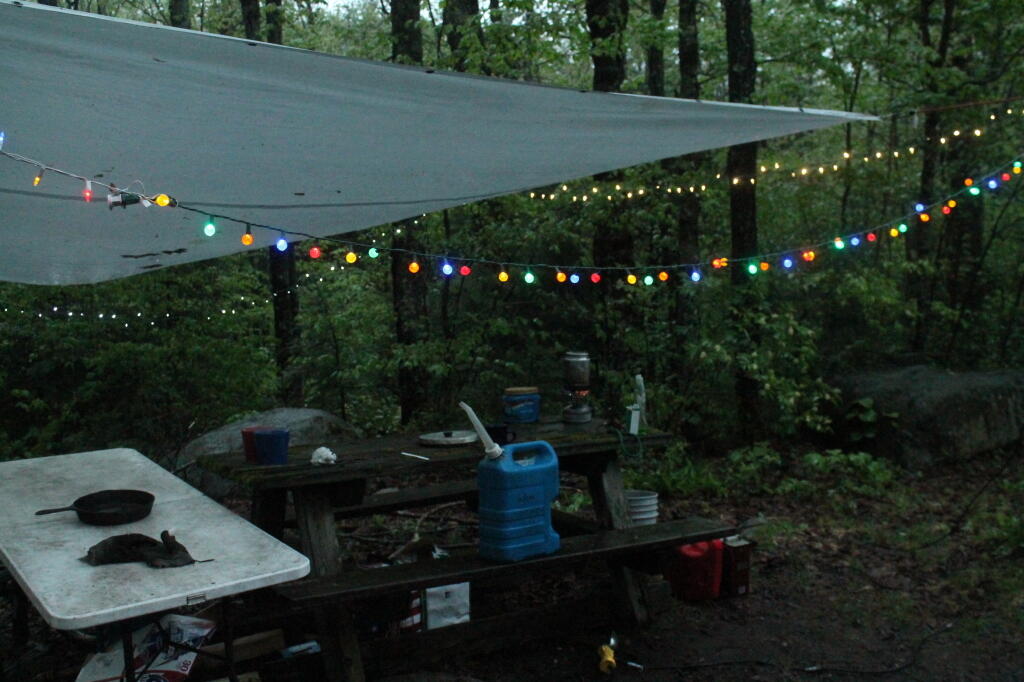
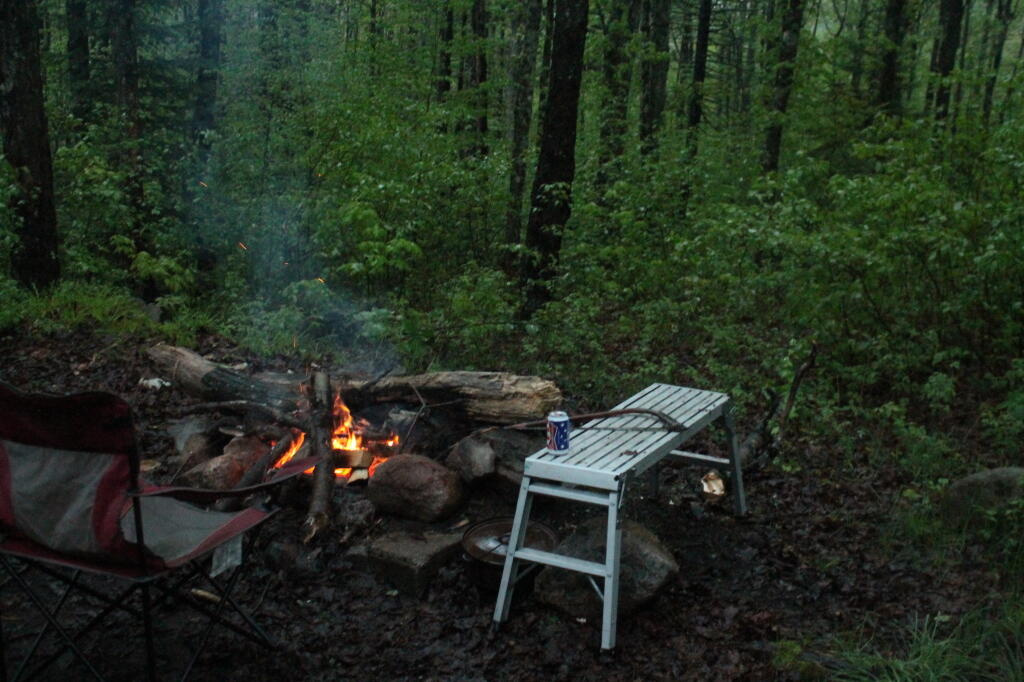
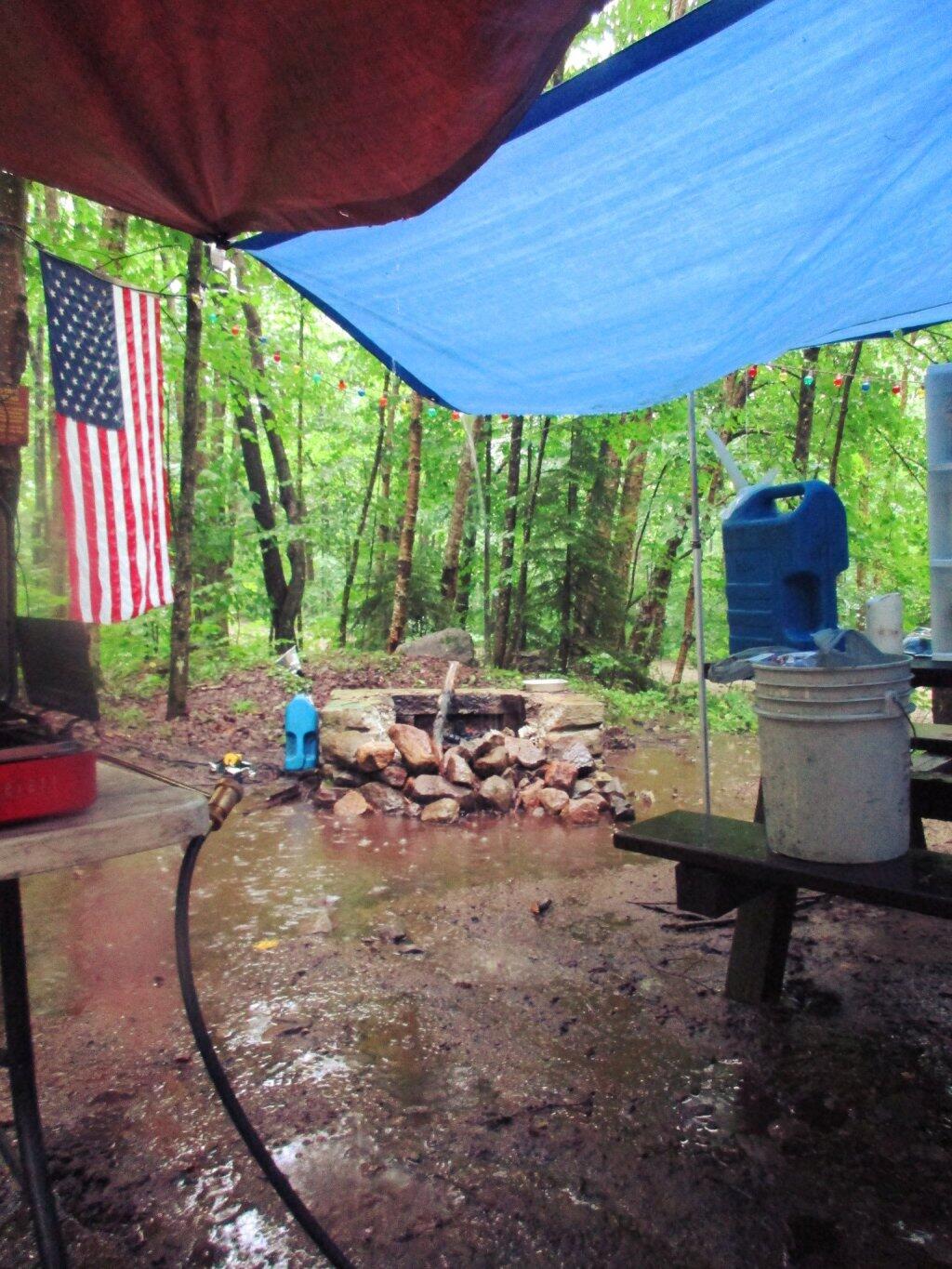
So you make the best of it.
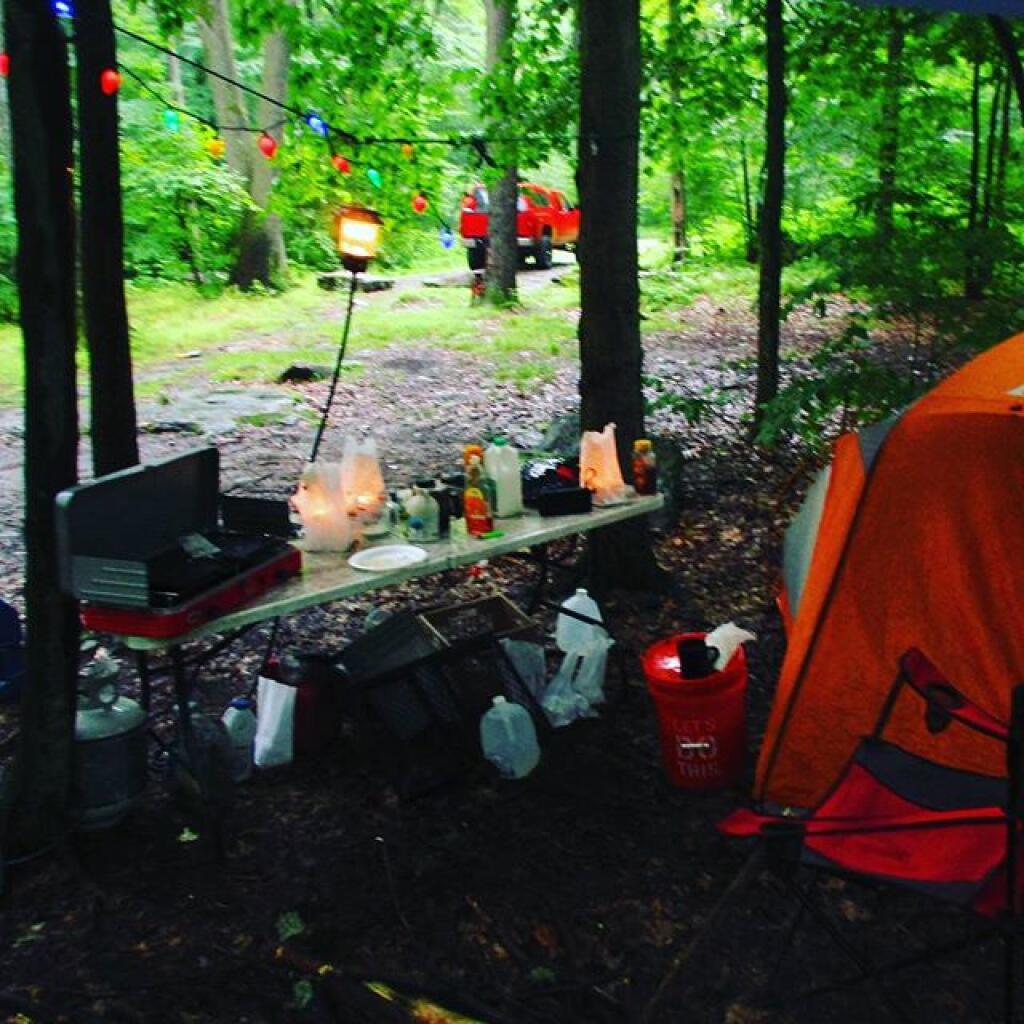

I was thinking through the years, how many days I’ve spent camping in the wilderness on cold, wet muddy nights.
Dealing with wet gear isn’t a lot of fun.
But it’s part of life.
So you make the best of it.
Cubicle culture has gone dark. Open floor plans stand empty.
Offices around the world are shut during the pandemic, making work from home the new normal for millions of white-collar employees.
In the United States, remote work is still being encouraged under guidelines outlined by the federal government.
As the COVID-19 crisis took hold and schools in Lockhart, Texas, had to close and shift to remote learning, the school district quickly conducted a needs assessment.
They found that half of their 6,000 students have no high-speed Internet at home. And despite being a short drive south of Austin, a third of all the students and staff live in "dead zones," where Internet and cell service aren't even available.
None of this was surprising to Mark Estrada, superintendent at the Lockhart Independent School District.
"Students who have been historically underserved just continue to have that fate as technology becomes a bigger part of educational practices," Estrada says.
More than anything, this is just a gallery of images telling the story of getting the seeds into the ground. I love this time of year when you can smell freshly turned dirt in the air and see the tractor lights in the fields at dusk. Farmers putting that seed down with the hopes of a great return in the fall. Though grain prices are at catastrophic lows, farmers never waiver. This is their conception point. They only get a chance to do this once a year and maybe 40 some times in a lifetime. Put the seed down and pray for the perfect rain, heat and sunshine over the summer.
The loosely defined proposal for a Green New Deal hits the panic button, American-style, but it does not exactly lay a cornerstone. Which is to say that it avoids prickly issues of land use—generally reserved for states and localities that regularly do battle with sacrosanct private property rights. Yet the choices we make about our land are foundational to any future we construct, low-carbon or otherwise. It has always been so. Just ask the pre-Columbian indigenous peoples, the slaveholders and their human property, the “settlers,” the railroad barons, and the policy architects of postwar suburbanization and urban disinvestment. And consider the fact that sprawling suburban development devoured nearly 31 million acres of agricultural land—cropland, woodlands, pasture, and range land—between 1992 and 2012 alone, according to a 2018 report by American Farmland Trust (AFT). That is an area almost as large as New York State. More than a third of that conversion, 11 million acres, took place on prime farmland blessed with the world’s richest soil. That is an area roughly the size of California’s Central Valley. Protecting such land, and doing so in an equitable manner, is critical not only to our future food supply but also to mitigating and adapting to climate change.
A few others have pointed out the land-use blind spot in the Green New Deal, but they have focused almost entirely on urban land use, practices promoted by the New Urbanist and Smart Growth movements in the 1990s that aim for greater urban density, compact mixed-use, transit-oriented development, and walkability as antidotes to greenhouse-gas-pluming, car-centered suburban expansion. These urbanist measures are important in offering up an alternative to sprawl, of course, and are very much au courant in view of our newfound love affair with cities. But somehow, the inverse—protecting agricultural lands from development—has receded from public discourse in recent years, a casualty, perhaps, of the growing urban-rural divide that birthed the 2016 presidential election results. So has use of the word sprawl itself, that thing going on out there past the decrepit, empty shopping malls, far from the thrum of the metropolis.