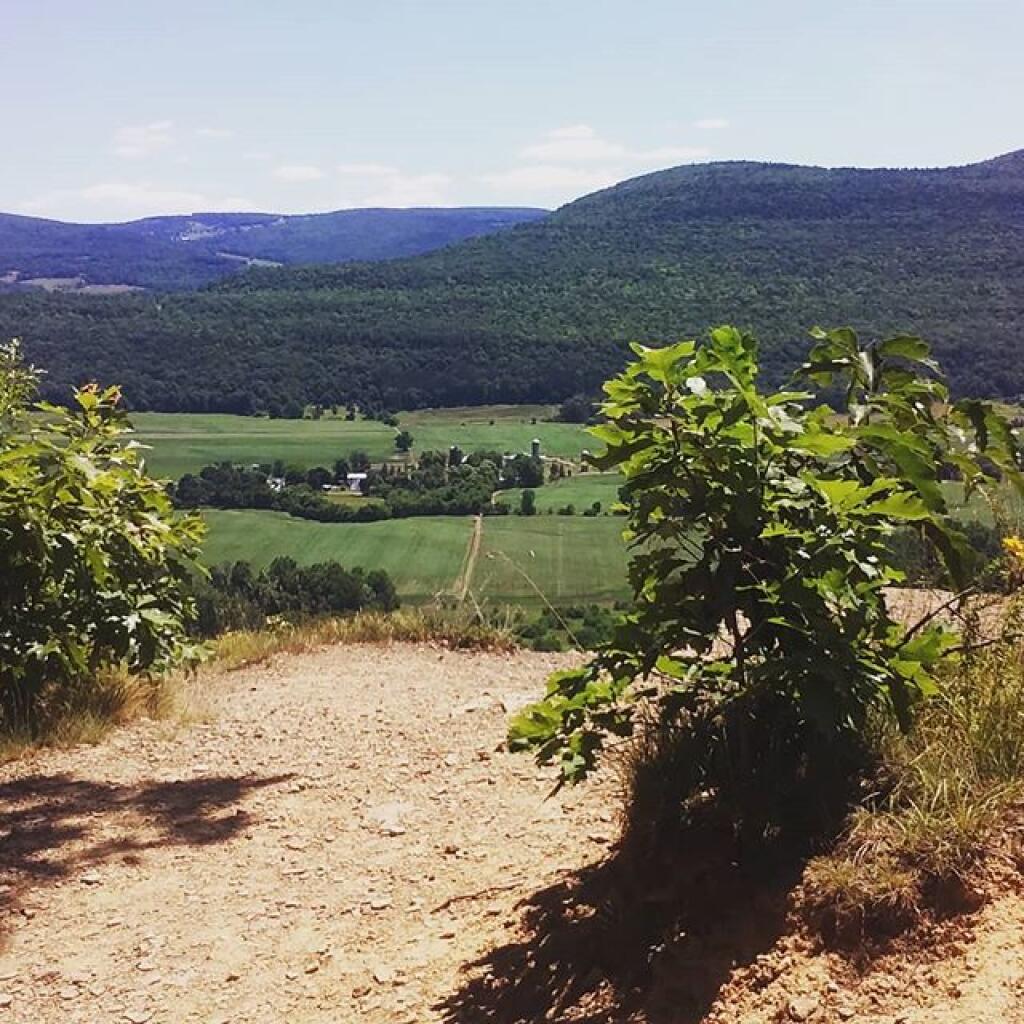
The tiny terrors of the North Country are coming. 🐜

If you are planning a trip to the Adirondack Park or the Green Mountains this spring, you aren’t just competing with the mud and lack of shade—you’re up against the infamous black fly. Known for their persistence and painful, itchy welts, these small insects can turn a scenic outing into a test of endurance. Here is everything you need to know to survive the “fifth season” in the mountains.
The Timeline: When Do They Arrive?
Black fly season typically follows the spring thaw.
- Start: Mother’s Day weekend is the traditional kickoff.
- Peak: Late May through the middle of June (Memorial Day Weekend).
- End: Activity usually tapers off by Father’s Day or early July.
The exact timing depends on water temperature. Because black flies lay their eggs in clean, running water, a late snowmelt or a rainy spring can extend their reign well into the summer.
Behavior and Habitats: Where to Find Them
Black flies are visual hunters that rely on the sun.
- Worst Times: They are most active from dawn until dusk, particularly on humid, overcast days with no wind.
- The Night Shift: Unlike mosquitoes, black flies are not active after dark. Once the sun sets, you can finally step away from the smoky campfire and enjoy the evening in peace.
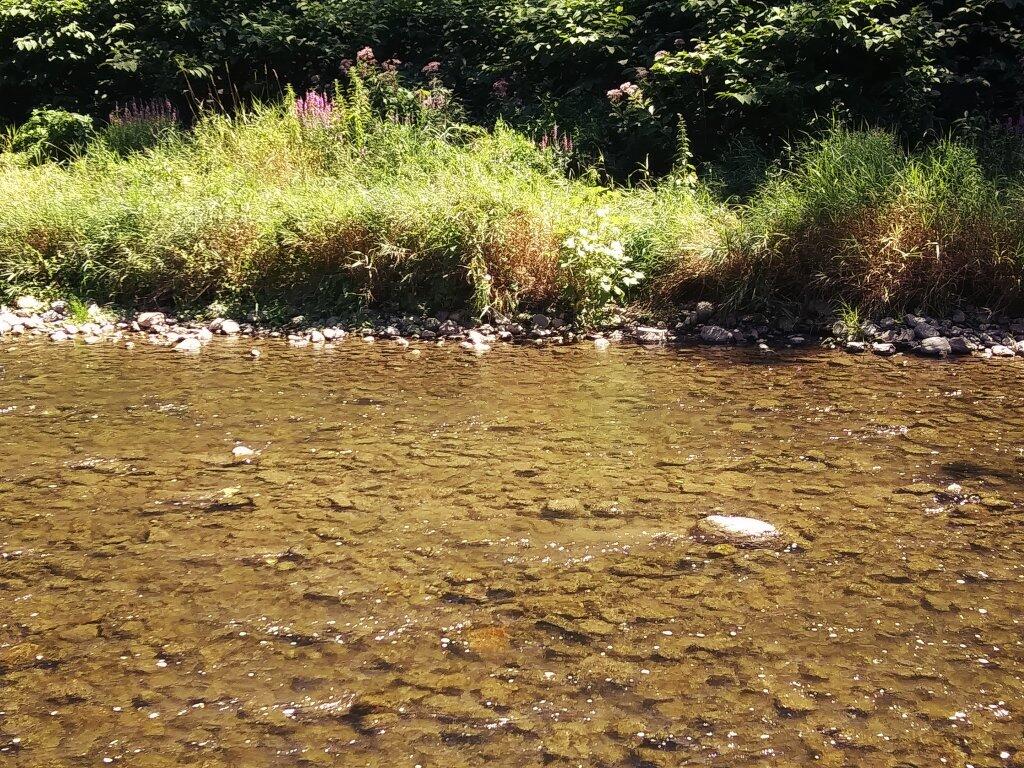
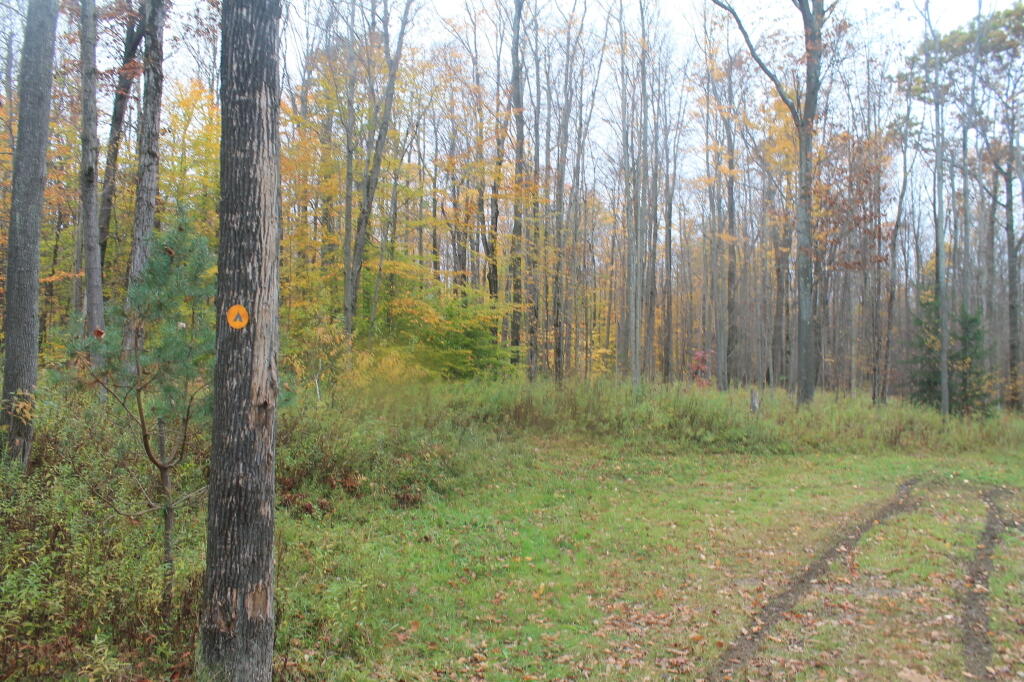
- Hotspots: You will find the highest concentrations near moving water—streams, rivers, and waterfalls. In the deep woods, they congregate in damp, low-lying areas where the air is still.
Impact on Spring Recreation
For outdoor enthusiasts, the “bug factor” is a major consideration for any May or June itinerary.
- Hiking: Steep climbs become grueling when you are inhaling gnats. Stopping for a view often results in being swarmed instantly.
- Camping: Setting up a tent or cooking outside becomes a race against the clock. Without a screened-in porch or bug net, “relaxing” at a lean-to is nearly impossible.
- Fishing: Anglers are prime targets. Since black flies hatch in the same water where the trout are rising, you are standing directly in their nursery.
- Turkey Hunting: Staying perfectly still is the name of the game for spring turkey season. It is incredibly difficult to remain motionless when a dozen flies are crawling into your ears and eyes.
Top Repellents for Black Flies
While black flies are visual hunters, chemical barriers can stop them from landing and biting.
- Picaridin (20%): Often more effective than DEET for flies. It is odorless, non-greasy, and won’t damage plastic gear or synthetic clothing.
- DEET (30-50%): The gold standard for longevity. High concentrations provide hours of protection, but be careful—it can melt watch crystals and fly lines.
- Oil of Lemon Eucalyptus (OLE): The best plant-based option. It provides a strong scent barrier that confuses the flies’ tracking.
- Permethrin: This is an insecticide, not a skin repellent. Spray it on your clothes, hats, and tents before your trip. It stays effective through several washes and provides a “kill zone” on your gear.
Essential Gear for the “Fifth Season”
Sometimes, no amount of spray is enough. Physical barriers are the only 100% effective solution.
- Fine-Mesh Head Nets: Look for “no-see-um” grade mesh. Ensure it has a wide enough diameter to fit over a brimmed hat, which keeps the netting off your face.
- Bug Jackets: These lightweight, hooded mesh shirts provide full upper-body protection. They are essential for stationary activities like fishing or hunting.
- Light-Colored Clothing: Black flies are attracted to dark, “low-heat” colors like navy, black, and forest green (which mimic the fur of moose or deer). Wear white, tan, or high-vis yellow to stay off their radar.
- Neck Gaiters: A simple Buff or bandana tucked into your shirt prevents flies from crawling down your collar—a favorite target for “crawlers.”
Survival Tips
To make the most of the mountains during bug season, remember the “Three B’s”: Bug nets, Breeze, and Barriers. Wear long sleeves, cinch your cuffs, and don’t forget a head net—it might not be a fashion statement, but it will save your sanity.