Democratic Party

Show Only ...
Maps - Photos - Videos

Why I’m a Democrat

I turned 18 in January 2001. I watched the 2000 Election with intense interest, read newspapers and books about the various candidates. While I couldn’t vote in the 2000 Election, I tried to be informed about the issues, so when the time came to register to vote, I thought it would have a good idea on which political party I wanted to join.

I really was less then thrilled President Clinton. I didn’t like the loss of our civil liberties post Columbine, nor did I like Internet censorship or the gun-control legislation he was pushing. I also thought he was too close to environmentalists and many of the left-wing special interests.

In the same vein, I kind of liked President George Bush. I thought he was a refreshing change, after growing up in the 1990s under President Clinton. He was willing to bring in some new ideas, that where sadly lacking in the debate. He certainly was a new direction for the country.
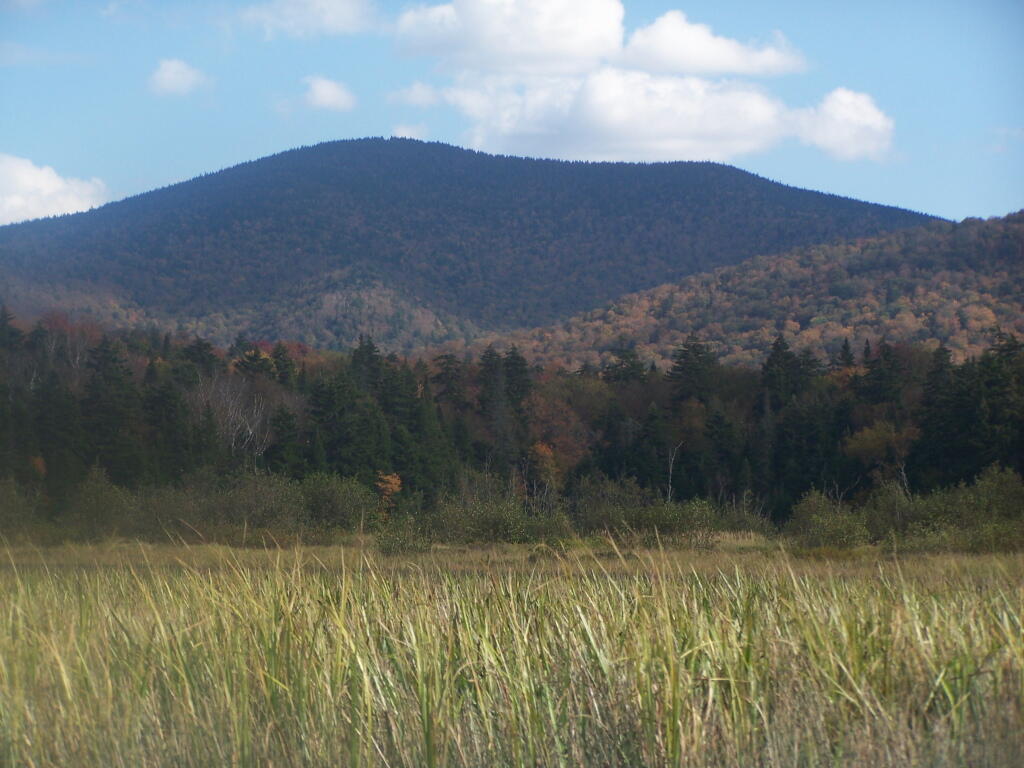
Buck Mountain in West Canada Wilderness

But then I started to read about both parties. I read a lot about the New Deal and the Great Society, and what it meant to our country. I learned about the importance of having a strong safety net for the poor, and investing in our colleges, our parks, and our public places.

Now, I’ve never been a fan of the style of big-city liberalism that many Democrats like to embrace. I’m not out there screaming for more flamboyant gays or demanding free abortions for all women. I think people should dress and act conservatively, and that there has been too much of a loosening of people’s moral compasses in recent years, including the promotion of out-of-wedlock sex.

Yet, I also believe there is a important role in government protecting the individual’s rights and getting a fair deal from business. People should know they are getting safe products, that they are working in a safe working environment, and are a minimum getting a living wage from their job. Every employee should be represented by organized labor to allow them fairly negotiate with their employer. We need unions.

We need government to rein in business to control pollution, and to ensure the products they sell are as environmentally benign as possible. Democrats have long been the champions of clean water and air, especially in recent years. But we also need a government that balances those needs with human desires and freedom — the government shouldn’t prevent you from owning that sports car — they should just ensure that the car is crash-worthy and has good pollution controls.
Donkey

I don’t believe in creating vast new wilderness areas in places that have been previously logged or mined and contain existing roads. But I do think we do need to keep many wild spaces and acquire new public lands, and we need to control pollution from large power plants. But I’m not particularly worried about pollution from campfires and bonfires in rural places.

If anything, my ideology is one calling for balance. Not excessive government or a libertarian paradise. But instead a government that works for the people, but mostly stays out of their day-to-day business.

Percent of Bernie Sanders Vote, 2022 Assembly Districts

I have been experimenting with using R to calculate ADP and socialist votes for various political districts. After doing some reading up, it turns out the fastest and easier way to calculate such things is to use VTD centroids and spatially join them against the new districts.

With R, it turns out that can be done with like 10 lines of code to make some pretty nice maps and data, although I did the final map layout in QGIS. Overall, with the enacted Assembly districts, 1/3rd of them voted for Bernie Sanders, mostly upstate. This code took less then 10 seconds to run on my old laptop.

library(tidyverse)
library(tigris)
library(sf)

vt20 <- read_csv('2020vote_vtd.csv')
vt20$GEOID <- as.character(vt20$GEOID)

vtd <- voting_districts('ny', cb=T) %>%
inner_join(vt20, by=c('GEOID20'='GEOID')) %>%
st_transform('epsg:3857')

a22 <- read_sf('/home/andy/Documents/GIS.Data/2022 Districts/NY Assembly 2022.gpkg') %>% st_transform('epsg:3857')

join <- vtd %>% st_centroid() %>%
st_join(a22)

join %>% st_drop_geometry() %>%
group_by(DISTRICT) %>%
summarise(socialist = (sum(SANDERS)/sum(SANDERS,CLINTON))*100) %>%
inner_join(a22, by=c('DISTRICT')) %>%
write_sf('/tmp/socialassm.gpkg')

2022 AD Sanders Vote
1 42.8
2 47.1
3 50.4
4 47.5
5 53.1
6 37.6
7 50.2
8 46.2
9 48.6
10 37.5
11 39.2
12 44.7
13 37.6
14 42.1
15 38.4
16 32.0
17 45.7
18 28.6
19 44.9
20 39.0
21 38.3
22 35.4
23 41.9
24 35.2
25 41.8
26 40.6
27 41.0
28 43.5
29 25.9
30 47.1
31 27.6
32 25.7
33 28.7
34 47.1
35 32.3
36 49.5
37 50.1
38 45.3
39 41.3
40 38.6
41 37.3
42 35.6
43 35.6
44 45.9
45 47.6
46 48.0
47 51.9
48 40.7
49 51.9
50 57.1
51 48.5
52 37.7
53 50.3
54 37.3
55 30.4
56 42.4
57 44.5
58 22.3
59 32.9
60 27.0
61 39.2
62 53.6
63 46.0
64 52.4
65 40.9
66 35.7
67 27.1
68 35.9
69 33.6
70 38.4
71 39.4
72 35.7
73 23.4
74 37.6
75 31.9
76 28.8
77 26.7
78 32.3
79 28.6
80 35.4
81 37.0
82 34.0
83 23.0
84 30.5
85 27.8
86 26.8
87 31.3
88 28.9
89 30.0
90 36.5
91 31.0
92 33.2
93 32.2
94 45.7
95 40.6
96 40.7
97 36.0
98 47.1
99 49.6
100 49.3
101 56.0
102 60.2
103 62.3
104 47.9
105 50.3
106 52.8
107 55.5
108 55.9
109 52.6
110 49.1
111 55.2
112 54.0
113 57.9
114 64.0
115 71.4
116 54.2
117 58.4
118 58.1
119 51.9
120 55.7
121 58.2
122 56.9
123 57.3
124 53.8
125 61.8
126 48.9
127 46.6
128 42.5
129 50.8
130 52.9
131 52.5
132 57.2
133 57.4
134 50.1
135 46.0
136 47.9
137 40.2
138 53.8
139 55.2
140 53.6
141 33.6
142 54.7
143 50.4
144 55.1
145 51.3
146 46.5
147 58.3
148 58.2
149 54.2
150 53.5

Percent of Bernie Sanders Vote, 2022 Assembly Districts

Gay presidency

The other day I was hearing that some people think a gay man, like Pete Buttiegeig might not be able to win the presidency. That might be a concern of the older generation, but there are fewer and fewer of those people left around in this world. Religious conservatives who remain opposed to gay marriage, are already backing whoever the leading Republican will be in 2028, so they aren’t going to back any Democrat that runs. Moreover, gay relationships are so mainstream nowadays, and are hardly the “dirty little secret” of yesteryear. Same-sex marriages today aren’t primarily about what people do in their bedroom, it’s about love and a bonded relationship.

Kathy Houchul’s Upstate Problem

Kathy Houchul’s Upstate Problem

New York State rarely elects governors from Upstate, especially not Western NY. The last elected Upstate Governor was either George Pataki or Franklin Roosevelt, depending on what you consider to be Upstate and both lived in the Metropolitan-area, just a short ride on the Metro North to New York City.

There is no law prohibiting Governor’s from hailing from Upstate but the population is heavily downstate, with nearly 7 in ten 10 New Yorkers residing in the metro area, which George Pataki and Roosevelt, along with all other governors in the past century hail from.

Western New York is far from New York City. Not just distance wise but culturally too. It’s becoming more and more Republican too, especially the rural areas. Kathy Houchul doesn’t hail from Buffalo or Niagara Falls, she was a town council member in Hamburg, and she went on to represent a fairly conservative suburban district in Congress with the endorsement of the NRA.

With political polarization these days I doubt many Western NYers will end up crossing party lines to vote for Houchul just because she is a local favorite. She will probably do as well as Cuomo did in Western NY but but not much better. But can she motivate people in New York City to vote for her in the numbers she needs? Or will many democrats just sit this one out, at best indifferent to that sort of conservative Upstater on the top of the ballot? After all, the New York State elections will be largely decided in the suburbs as that is where the most swing voters live.

New York City suburbs are getting bluer although recent off year elections see that trend slowing. Crime is up in the suburbs, especially property crime and nobody wants their hard earned property stolen or damaged. Hometown advantage and decades of knowledge of suburban politics for Lee Zeldin may help him better connect with voters fed up with incumbents in these inflationary times with high gas prices.