Places 📍

📽️ Videos

That craving for the hills I get some times … 😍

I am a country boy at heart. I might live in the city, work downtown and take the bus every day but that’s not where my heart is.

Seeing those mountains in the distance, the forested hills and the little farms and homesteads carved out of the mountains just touches something inside me. The rundown trailers, the old tractors, the pigs, goats and cattle. The rusting away junk cars, the burn barrels and the brush / debris pile some day soon to be burned.

A lot of people call them ignorant hicks and hillbillies. But I don’t know, I think anybody who can scrape together a living either partially or entirety off the land is pretty damn smart and educated, even if it’s not through traditional channels.

They call it rural poverty. A lack of material stuff. Although I don’t think one can really call homesteading cheap when you look at the cost of machinery and feed. And many of rural people live a life much richer than city folk.

Hills Outside Petersburgh

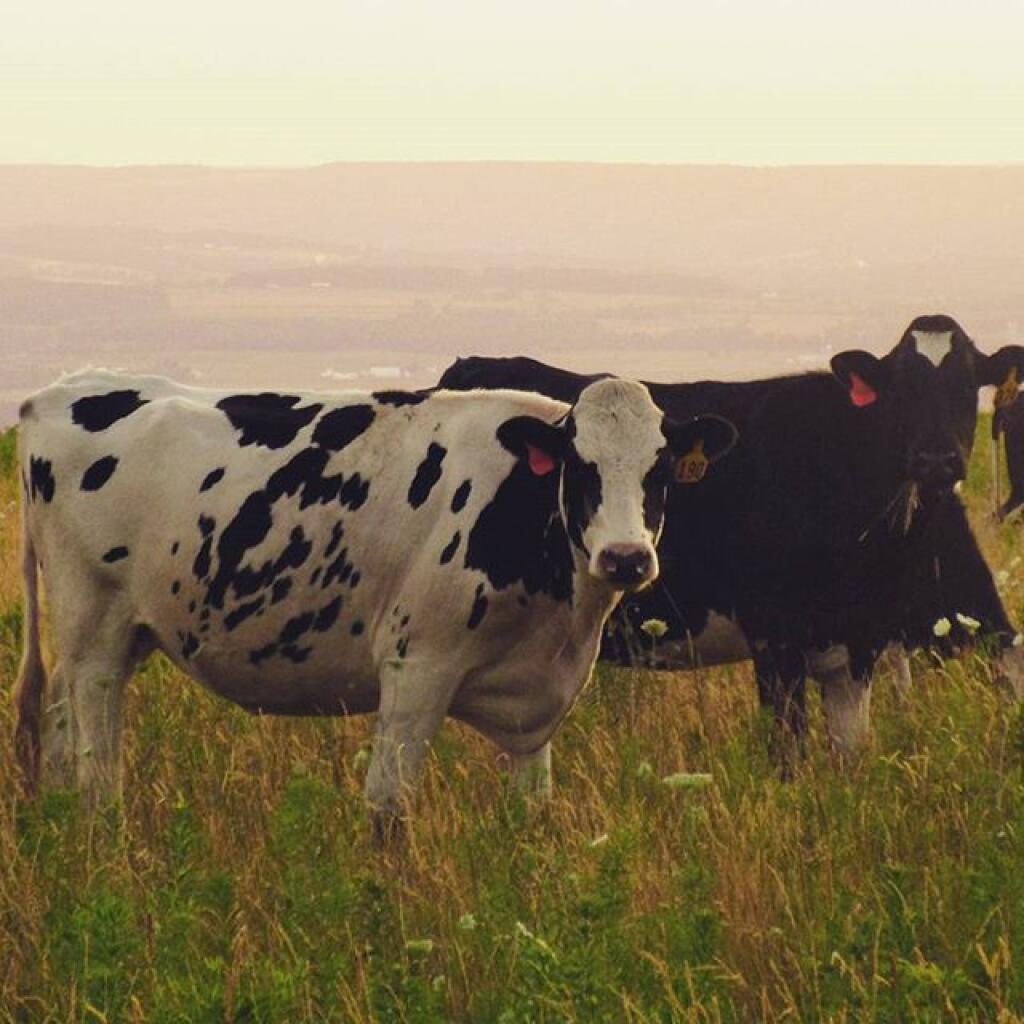
Milk and the dairy business

After my tiresome hike this weekend, I came back to my truck and opened the cooler got out a paper cup and poured myself a nice glass of milk. It was refreshing although maybe a little bit sticky on the lips. But I was super thirsty and that’s what I had.

I’ve always been a big milk drinker, typically buying two gallons of milk per week from Stewart’s. They have the best price and it’s right down the street from my apartment. I’ve always had an interest in the mostly docile large animals that make milk production a reality, how dairy farmers work their land to raise food for their cows and manage their production. They’re really is a lot that goes into a dairy.

Untitled [Expires September 16 2024]

YouTube has given me and the public at least a unique ability to see and learn much about the farm life from tractors to preparing the soil, planting and harvesting crops. It’s also shown the goings on in the tie stall barn from feeding to milking to raising and pulling calves. To artificial insemination and real bulls on ranches to preg testing cattle. Yeap, they have special plastic gloves for reaching up the anus and birth canal to check on the development of calves in the womb. I’ve learned more about the business decisions made every day and craft and science behind the milk business. Or even inside a milk processing plant that takes raw milk, processes it and pasteurizes it into many good products.

Being watched as the sun set

Really kind of fascinating stuff. Its interesting to know what’s going on in the field and in the barnyard as I travel the backcountry roads on my trips and travels. To make sense of smells of small town America to know what the various buildings on the farm represent. While I doubt I’ll ever get into the dairy business – my parents had dairy goats for a while, it’s interesting to learn more. While when I own my off grid cabin in the future I will likely do some homesteading, maybe so heritage hogs and chickens for meat, dairy is a tough thing to do with all the constant need to breed and bring the animals around for milking.

How tiny of a cabin

I am reading Charlie Wings’ The Tiny House Handbook. So much of the book is about tiny houses, as the name would suggest. I find tiny houses appealing though maybe not quite as small as the sub 400 square foot designs, especially those designed to be towed, suggest in much of the book.

Is a tiny home really a home, if it’s designed to be towed? In my mind such a structure is a trailer with a lot of things economized to fit the dimensions and weight limits of the road. The same can be said about many pre-fab structures. There is a lot of benefits to building a structure remotely in a warehouse or a factory – but also disadvantages of weight and size limits on what can be towed on the road, especially to remote sites.

At the same time, something on wheels or constructed off site seems to lack permanence. Truth is no building is permanent though there are many very old buildings still in active use. Obviously that is the most sustainable option. But it’s hard to see the plastic and plywood buildings that dominate the suburbs today having much permanence. Maybe an old house is better – if it hasn’t been hauled off to the local dumping grounds yet – then they must have done something right building it.

Building science is both fascinating and infuriating in my mind. Builders have many good ideas, they know what works and doesn’t. Durable materials aren’t always sustainable or easily disposed on site by burning or burying due to the toxic compounds used in them to provide a long life. Neighbors growing up when they got their new double wide to replace their old trailer burned the debris vinyl , siding scraps, waste materials and that sure burnt black and stunk. Decades before the burn ban! Wood just seems like a better option even if it involves covering it with toxic stains and paints.

I read a lot about sustainable building but I’m not sure what is real and what is woke glossy marketing. The sustainability community sure likes their toxic materials that maximize energy efficiency a lot. Even if it keeps drafts from leaking out, vinyl hardly seems like a good material to be using in building any more than the absolute necessary. What is going to happen to the vinyl eventually? Be burned? Be pushed back into the earth to leach plasticizers into the earth?

In many ways I do embrace the tiny house movement in that I crave simplicity, something like a very rustic hunting cabin. Something lit by a light bulb hung from a cord in the ceiling, heat by a basic woodstove , maybe no inner walls at all, just a simple brass or wooden bed like you might find in an institutional setting. For cooking, a simple camp stove or maybe upgrade to a small, old used gas oven converted to propane. Inexpensive electric refrigerator and freezer like everybody else has powered by solar. Outside shower and outhouse. When it’s too cold to crap outdoors a bucket works to be dumped in the poop hole. Rather than sending all that shit to the landfill.

Truth is that I hate how wires are hidden and even things like garbage cans are hidden in people’s houses. Heat comes from an invisible source, water is pumped in then disappears down a drain to a leach field or sewer with all the scum being collected to be eventually dumped in the landfill. I get how infrastructure is necessary but I hate how it’s all so hidden. If we could only go back to the way it was done 120 years ago, out in the country.

Thematic Map: Percantage of Population with a Disability
Terrain Map: North-South Lake Campground