The Superduty Dreams and Off-Grid Schemes Building the Horizon
There is an honest, unfiltered reality to a working rural landscape that city people rarely understand. To the outsider, a dented burn barrel, a plume of woodsmoke, or the smell of livestock fields gets labeled as poverty or pollution. But to those who value true self-reliance, those sights and scents are the ultimate markers of privacy and independence. They signal a world where life isn’t micromanaged by a nanny state rulebook, hyper-regulated schedules, or the sterile, synthetic consumption of suburbia. True freedom isn’t a storybook picture; it is the autonomy to manage your own land, your own livestock, and your own fires on your own dirt.
For now, the strategy means keeping my head down in the city and treating the current high-earning career path as a wealth extraction zone. While renting a low-overhead, basic apartment and relying on a bicycle or the city bus to get to work might feel restrictive on a noisy night, it is a highly calculated play. Every automated paycheck routed straight into tax-advantaged retirement accounts, index funds, and bond funds is a literal brick being laid for the future. By maintaining a rock-solid cash buffer to handle life’s seasonal spikes without debt—like paying outright for my heavy-duty truck platform—the portfolio compounds quietly in the background, completely insulated from short-term market drops through steady dollar-cost averaging.
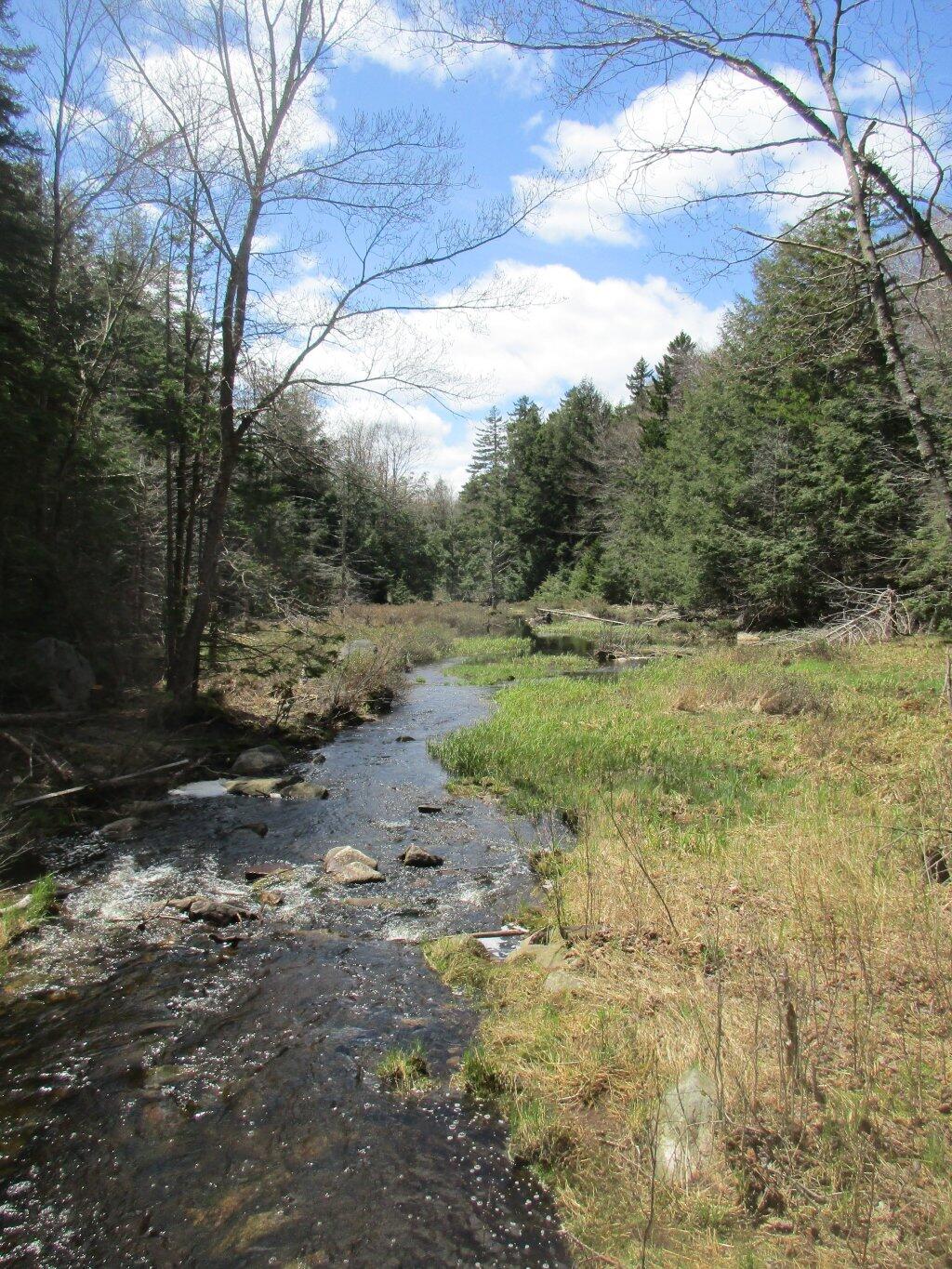
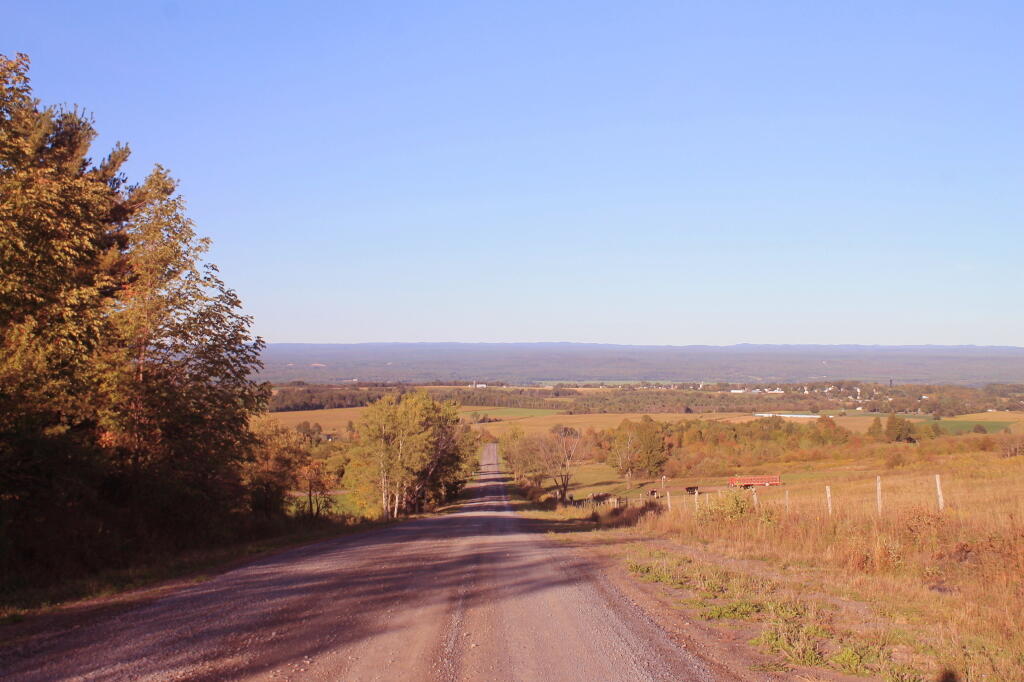
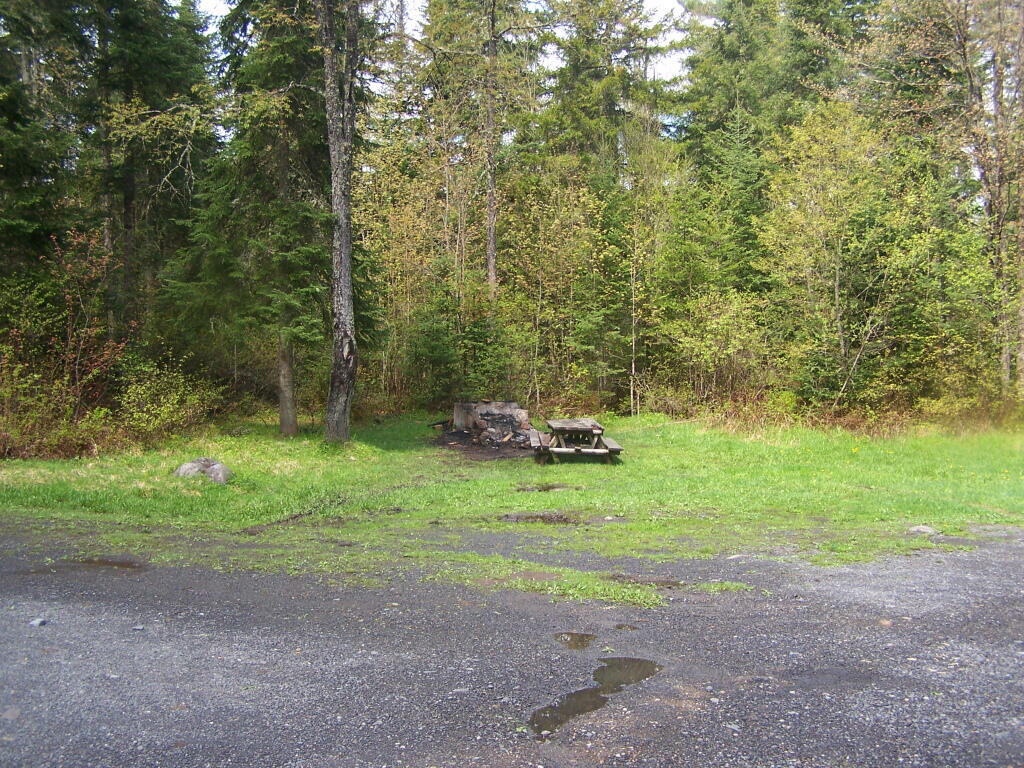
The ultimate goal in fifteen years is a clean break to a low-regulation, Second Amendment-friendly state like Pennsylvania, Ohio or West Virginia, where the state government won’t clamp a tax drag on a hard-earned pension, cramp down on you for burning garbage or owning an AR-15 or hand gun. The plan relies on finding a remote, affordable parcel—ideally twenty to twenty-five acres of mountainous forest or high flats with open sky for satellite connectivity and peak daylight. A grandfathered, run-down hunting shack is the perfect baseline to independently tear down, repair, and rebuild without code enforcement interference or tax assessment shocks. Fully capitalizing the operation means having the liquidity to buy durable, heavy tools like tractors, trucks, and secure fencing upfront. Success looks like a simple timber cabin powered by a custom, DIY modular solar array, looking out over a small herd of cows and hogs, and watching the sun go down to the sound of crickets and the clean flicker of a fire.