
Do Spinning Wind Turbines Really Mess With Radar Systems? – The New York Times
Day: May 4, 2026💾
📽️ Videos
The Data Scientist’s Guide to Thrifty, Durable Style
In the world of data science, we’re often obsessed with efficiency, lifecycle management, and optimizing resources. For me, that philosophy doesn’t stop at the office door—it extends right into my closet.
My daily “uniform” is pretty simple. Most days in the office, a pair of jeans and a professional shirt are more than sufficient. But how I source those items is where the real data—and the real savings—come in.
The Salvation Army Score
When I need professional shirts, I head straight to the thrift stores. The Salvation Army on Central Avenue might be a bit dingy, but it’s a goldmine for a “geeky professional.” You can find outstanding deals on high-quality clothes that are just quirky or funky enough to fit a data scientist’s personality.
I choose to be thrifty for two reasons. First, the prices are unbelievably cheap. Second, it’s a matter of principle. I love the idea of keeping perfectly good material out of a landfill. Why waste resources on brand-new textiles when there is existing clothing that fits my needs perfectly? I’d much rather divert that money toward things I actually care about—like my off-grid goals and backcountry adventures.
The “Close-to-Skin” Rule
While I’m a proponent of used clothing, I do have a boundary. For items that touch my body—socks, underwear, and jeans—I generally buy new at Walmart. However, I follow a strict “wear it to shreds” policy. I only replace these items when they are completely worn out: socks with holes, briefs that are torn, or jeans with the crotches ripped out from extensive wear.
Even then, the lifecycle isn’t over. Work clothes that become too stained or worn for the office often transition into my weekend “rough-wear” for working on the truck or hiking.
Quality vs. Trend: The Wrangler and Carhartt Equation
I’m not big on brand names, but I’ve learned the hard way that some exceptions are necessary for durability.
- Wrangler Jeans: I stick with Wranglers because store brands and knock-offs (like Rustlers) almost always suffer from catastrophic zipper failure or ripped crotches. I need a garment that doesn’t have a “planned obsolescence” date.
- The Carhartt Dilemma: I’ve traditionally bought Carhartt vests and jackets because the tough denim doesn’t tear on pickers and branches when I’m in the woods. However, I feel the quality has declined as they’ve become a “luxury trendy” brand. They used to be union-made in America; now that they’re imported, they don’t feel like the same workhorse gear.
Since I’ve recently lost some weight, I could certainly use a better-fitting vest and jacket. But true to my roots, I won’t be heading to the store until my current ones are truly worn to shreds or the zippers have completely failed. I’m currently on the lookout for alternative brands that prioritize old-school durability over trendiness.
The Final Lifecycle
Once a garment is truly past the point of being wearable, it enters its final stage of utility. It becomes a rag for the workshop, and eventually, it’s donated to a clothing recycling bin.
For me, clothing isn’t a status symbol; it’s a tool. By choosing used and durable items, I’m able to live a simple, functional life that respects both my wallet and the environment.


Burst of Color


Santanoni Mountains
Descending the NL Tailings Pile road into the valley, towards Stanford Lake.
Saturday May 21, 2011 — Tahawus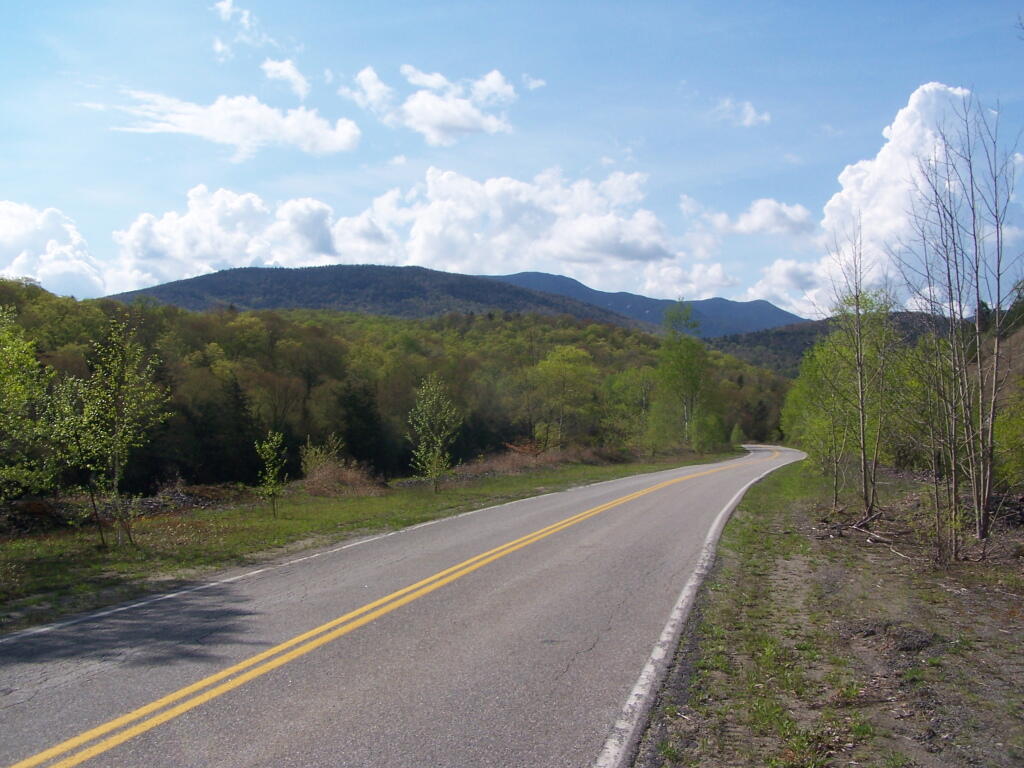

Iron Mine Falls

